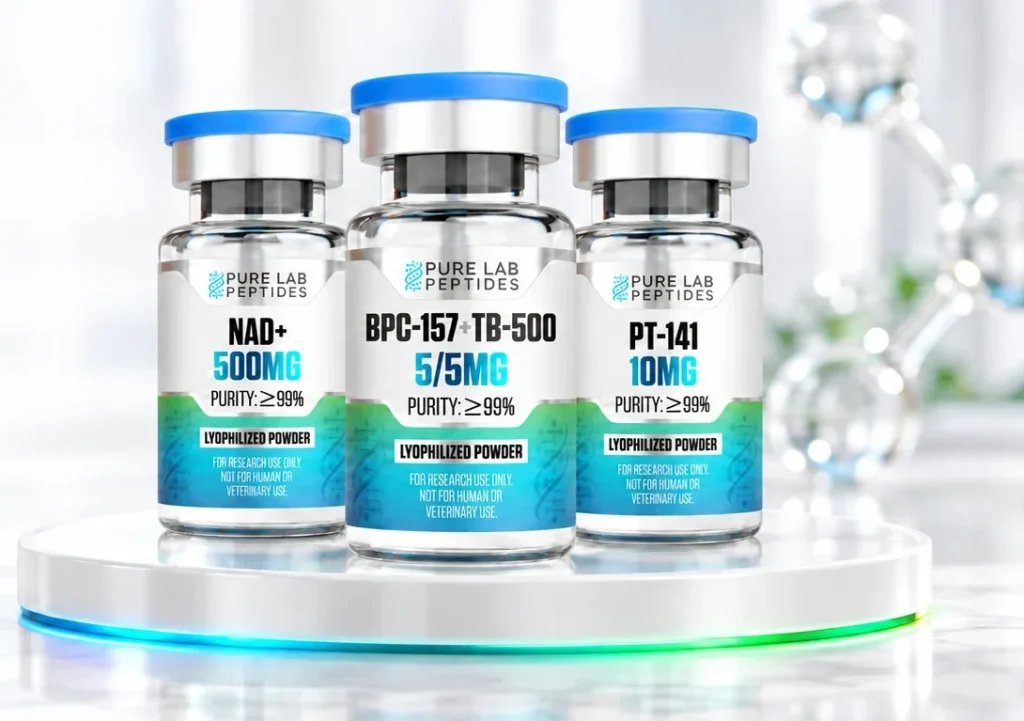
Buy Peptides For Research
Empowering research. Catalyzing discovery.
Same-Day Shipping
Confirmed and paid by 4 p.m. ET. Ships the same business day.
Two-Day Shipping
Free on U.S. orders of $199 or more. Transit: two business days.
Exceptional Service
Personal help with products, orders and documentation.
Third-Party COAs
Published results with product and lot details.
Featured research families
-

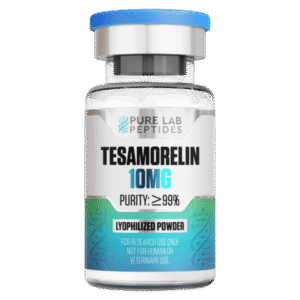
Tesamorelin 10 mg
$112.00 – $513.00Price range: $112.00 through $513.00Select options This product has multiple variants. The options may be chosen on the product page -

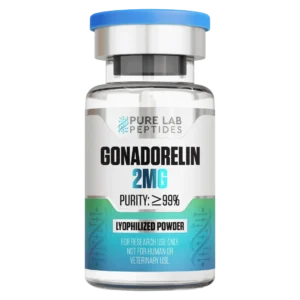
Gonadorelin 2 mg Research Peptide
$79.99 -

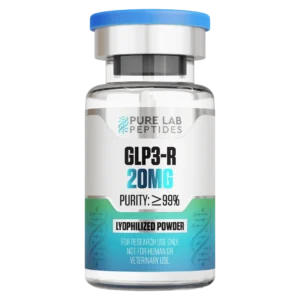
GLP3-R 20 mg Retatrutide
$220.00 -

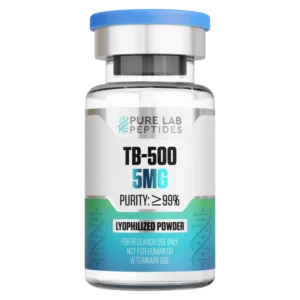
TB-500 10 mg
$49.00 – $220.00Price range: $49.00 through $220.00Select options This product has multiple variants. The options may be chosen on the product page -

Cortagen 20 mg
$49.99 – $299.99Price range: $49.99 through $299.99Select options This product has multiple variants. The options may be chosen on the product page -

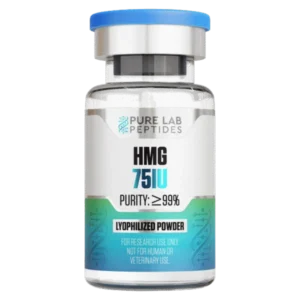
HMG 75 IU Menotropin Peptide
$39.99 – $242.99Price range: $39.99 through $242.99Select options This product has multiple variants. The options may be chosen on the product page -

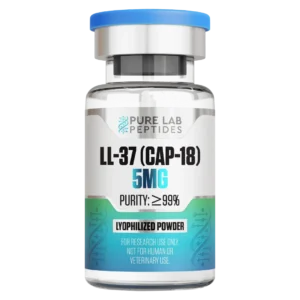
LL-37 5 mg
$39.11 -

GLP1-S 20 mg
$220.00 – $1,215.00Price range: $220.00 through $1,215.00Select options This product has multiple variants. The options may be chosen on the product page
Same-day dispatch.
Two-day shipping.
Order confirmed and paid by 4 p.m. ET on a business day? It ships that day.
Free U.S. two-day shipping on orders of $199 or more.
Your Pure Lab account, with more to explore.
View the rewards program and your account in one place.
Third-party testing. Records you can review.
Research Resources
Education & Guides
Evidence-based guides on peptide purity, documentation and handling for RUO laboratory buyers and research teams.

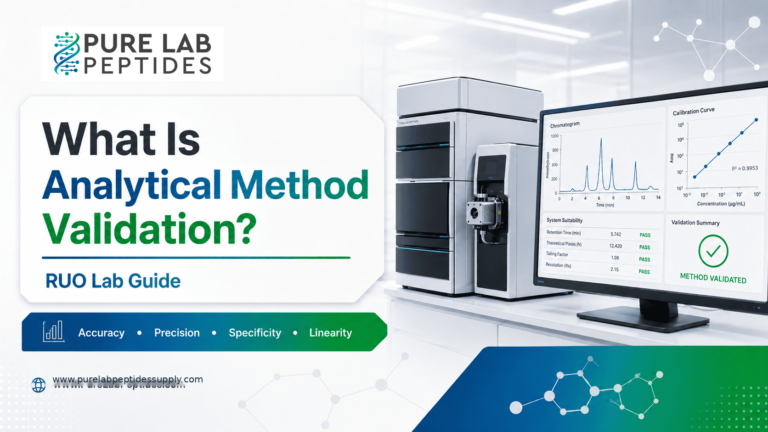
Analytical Method Validation: What a Peptide Test Can Support

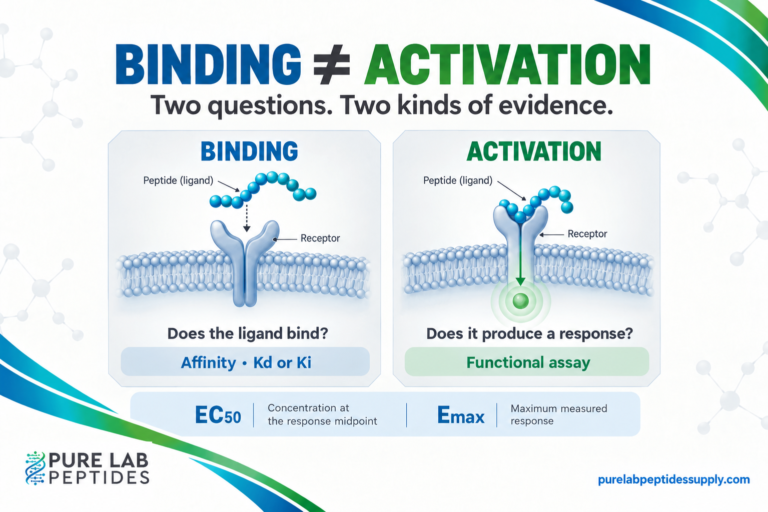
Peptide Agonist: What Receptor Activation Really Shows

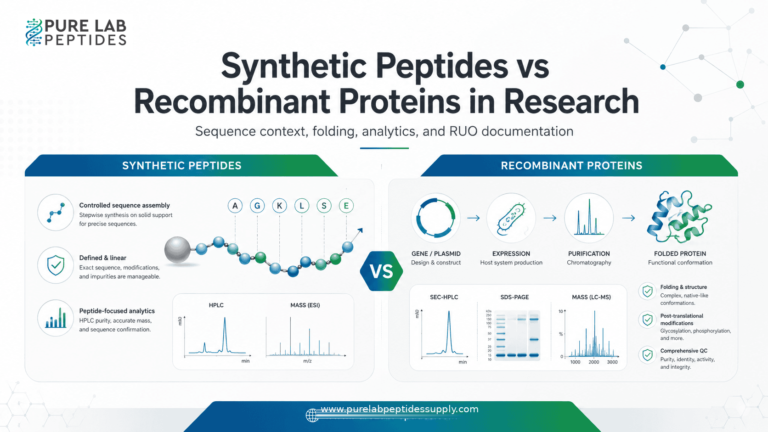
Synthetic Peptides vs Recombinant Proteins: Choosing for an Assay

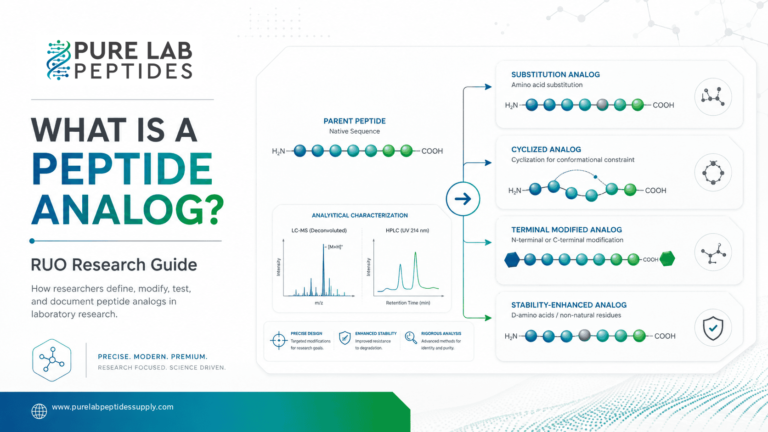
Peptide Analog: Identify the Change Before the Claim

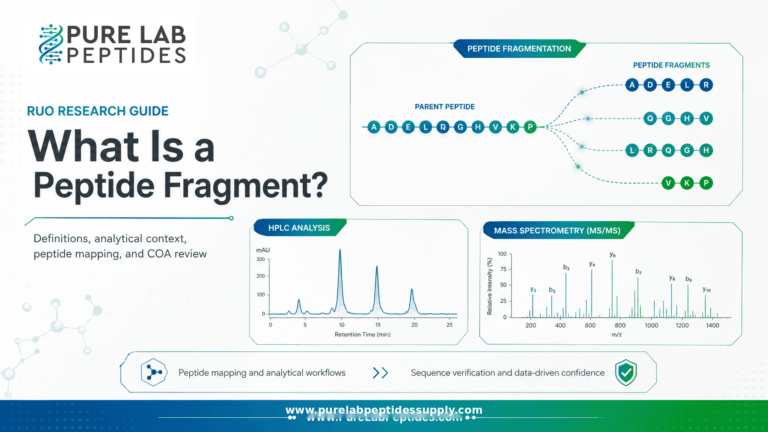
Peptide Fragment: Reading the Parent Sequence and Range

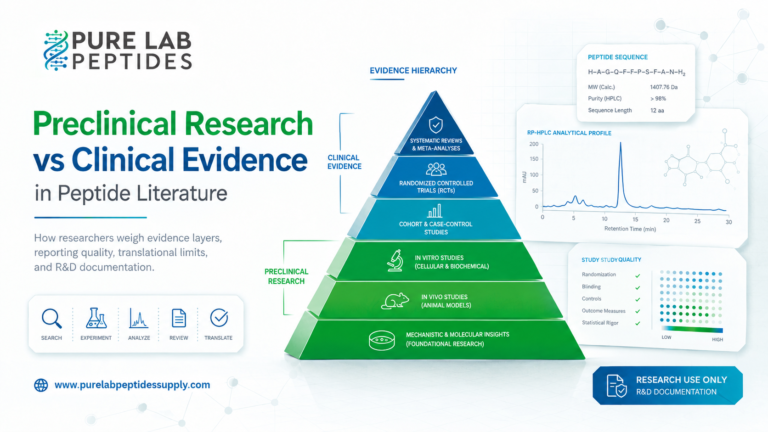
Preclinical vs Clinical Research: How to Read Peptide Evidence

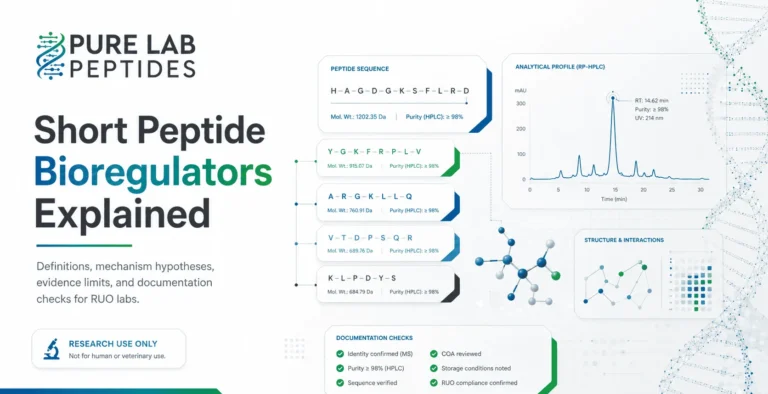
Short Peptide Bioregulators: Sequences, Studies and Evidence

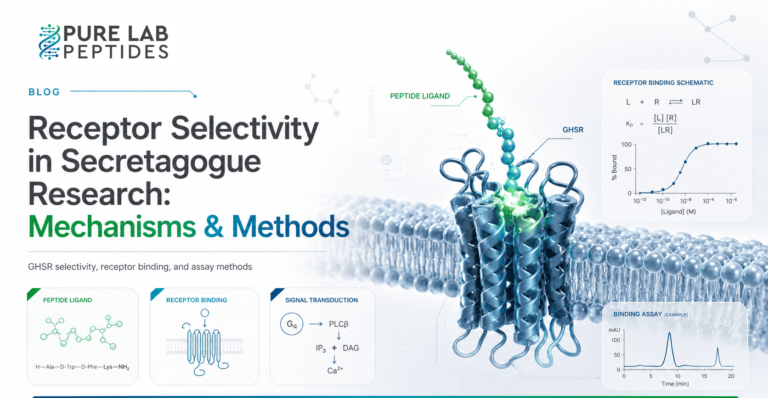
Receptor Selectivity: Comparing Peptide Assay Evidence
Browse the full research library
Research Procurement Guide
Buying research peptides: from product selection to COA review
Before you buy peptides online for laboratory research, compare the product listing with the relevant lot documentation. A useful product record should help you answer practical questions: which compound is listed, what amount is supplied, whether it is available, and which laboratory records apply to the lot. At Pure Lab Peptides, you can move from the catalog to individual product pages and the published COA library before placing a research order.
The sections below explain how to compare those records. Use them alongside your laboratory’s procurement requirements and the documentation for the specific material. All products on this page are offered for laboratory research only.
Choose the compound, then compare its product record
The homepage catalog shows one selected listing per peptide family, so different sizes do not crowd out other compounds. The full catalog contains additional sizes and research-area filters. A product page is the next step for checking the complete name, labeled amount, current price and availability.
The sections below explain how to compare those records. Use them alongside your laboratory’s procurement requirements and the documentation for the specific material. All products on this page are offered for laboratory research only.
Compare the full names carefully. CJC-1295 DAC and CJC-1295 NO DAC have separate listings, for example. A single-compound product and a blend containing that compound also have separate records. Similar names do not make their documentation interchangeable.
For a blend, review each named component and its listed amount. The total blend amount and the amount of an individual component answer different questions. The research peptide blends guide explains how to read these distinctions in a laboratory purchasing context.
Read specifications and measured results separately
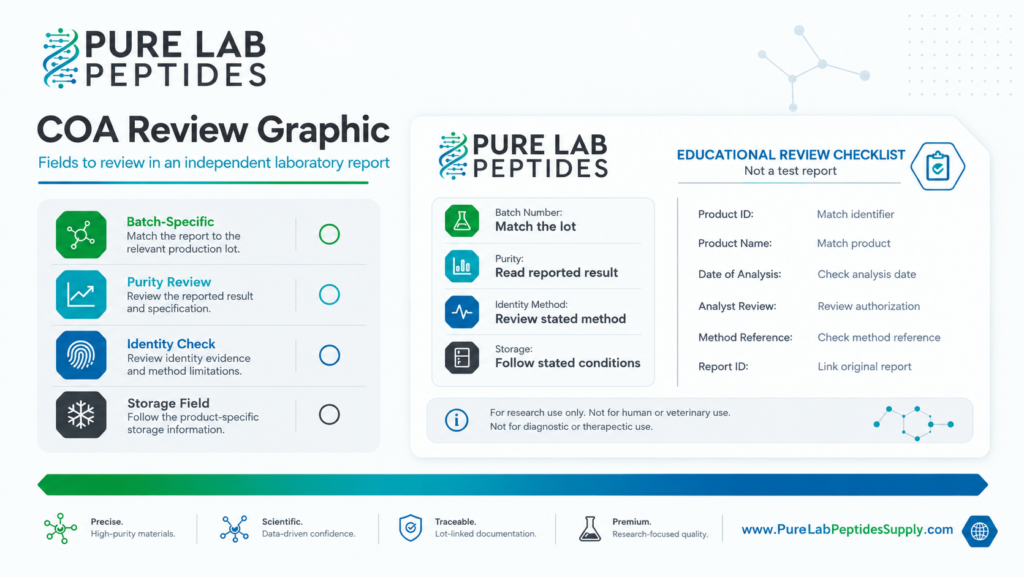
A certificate of analysis records the laboratory’s examination of an identified sample. Begin with the product or sample name, batch number, report identifier and analysis date. Then read the analytical methods, specifications and measured results together.
A listed amount is not automatically the laboratory’s measured quantity. In the original GHRP-2 laboratory report 39709, for example, the quantity specification is 10 mg and the reported result is 9.995 mg. That distinction belongs to sample lot 89304; it should not be applied to another GHRP-2 lot or another product.
The sections below explain how to compare those records. Use them alongside your laboratory’s procurement requirements and the documentation for the specific material. All products on this page are offered for laboratory research only.
The same care applies to a purity figure. Read the result in the context of the method and the tested sample. A percentage by itself does not describe every analytical property of a material. If a record does not contain an attribute your laboratory requires, ask for the relevant documentation before relying on it.
Understand what the analytical method describes
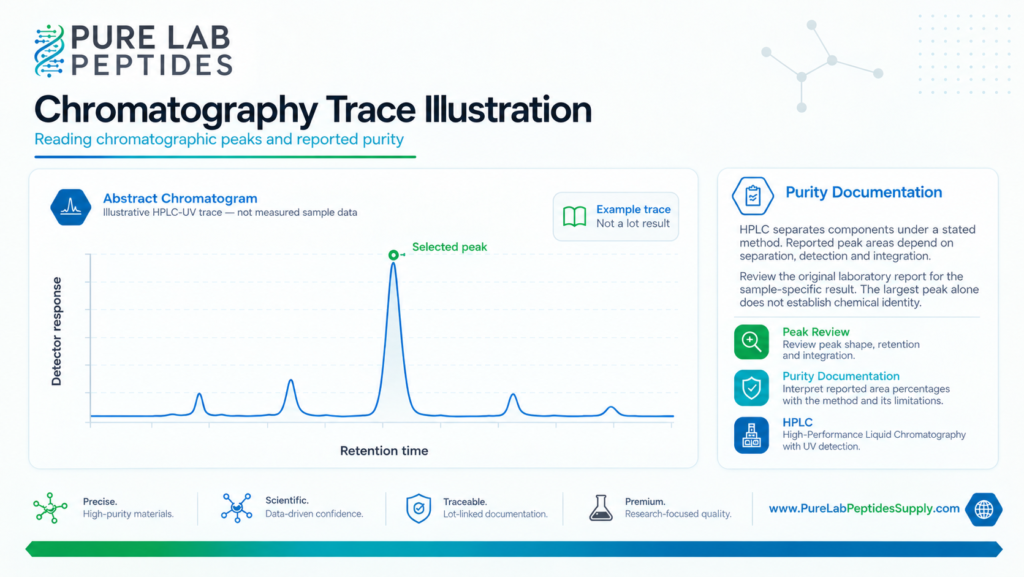
High-performance liquid chromatography, or HPLC, is used in peptide separation and analysis. Different chromatographic methods separate materials under different conditions, so the method name and supporting trace matter when interpreting a report. The technical overview, HPLC Analysis and Purification of Peptides, describes several approaches used in peptide laboratories.
Keep purity and identity as separate questions during your review. Check which result is being reported, how the laboratory evaluated it, and whether the documentation includes the evidence your team needs. Where mass spectrometry or LC-MS data are provided, read those alongside the other sample records. Do not assume that a method appears in every report because it is described in a general guide.
Use the method stated in the original laboratory report when reviewing a particular lot. The source document defines what was tested and reported for that sample. For more context, read Peptide Purity vs Peptide Identity.
Match the product, lot and report
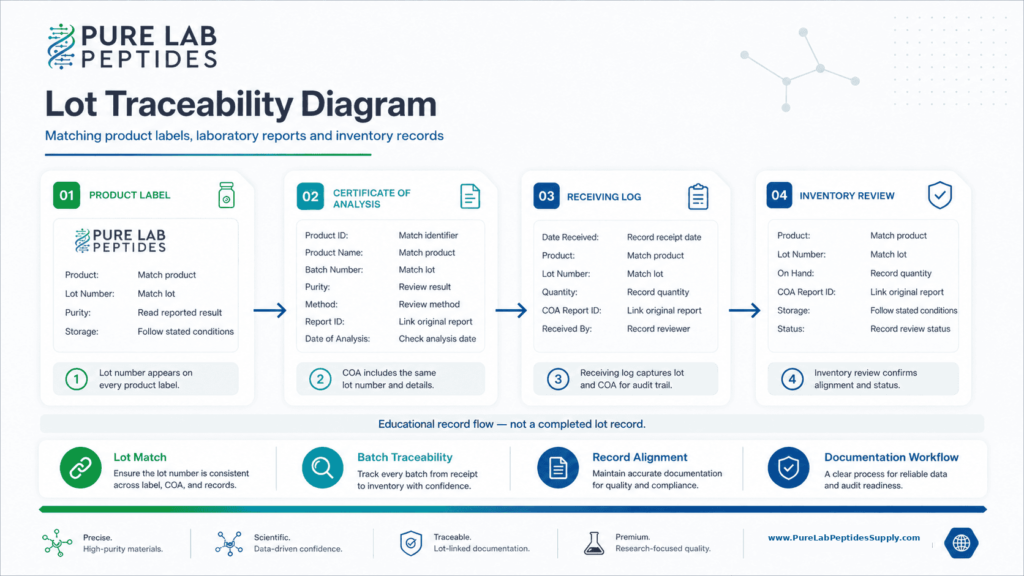
The lot number is the link between the product label and its laboratory documentation. Match it across the product record, original report and material you receive. A report from a previous lot may be useful for your files, but its results do not establish the results for a new batch.
You can find published records in the peptide COA results library. Search for the compound, check the lot details and open the original report. If you find several records, use their dates and identifiers to choose the one that matches your material.
Cannot find the lot you need? You can contact Pure Lab Peptides support with the compound name and lot number. Keep the question open until the matching documentation is identified. A product photo or a general purity specification does not supply that missing connection.
Plan the order and laboratory intake
Before placing an order, check availability and read the shipping and returns policy for the shipping options and dispatch conditions that apply. Save the product information and relevant report links with your procurement records so they are ready when the shipment arrives.
When the material arrives, compare its label, listed amount and lot number with the records you saved. Note any discrepancy and contact support. For storage and handling, follow the individual product documentation and your laboratory’s procedures. Our storage and handling guide and freeze-thaw research guide provide additional background, rather than a single storage condition for every material.
Pure Lab Peptides Supply · Help Center
Peptide COA Results & Product Documentation FAQs
Learn how to find a Certificate of Analysis (COA), match a laboratory report to the correct product lot, review documented results, and get help with product documentation from Pure Lab Peptides Supply.
Find answers about Certificates of Analysis, lot traceability, peptide blends, product records, and laboratory documentation. Always review the original report and confirm that its identifiers match the product and lot.
COA Results & Laboratory Reports
Search the COA results library for the compound you need, then match the lot. Open the original laboratory report to read its methods, specifications, and measured results. COAs are attached to their respective products, so confirm that the report matches the product and lot you are reviewing.
No. A report covers a specific tested sample. Its product and lot identifiers must match the material you are reviewing, including the relevant variant or blend.
Check the product name or identifier, lot or batch number, report identifier, analysis date, stated analytical method, specifications, and measured results. Read the original report for context and limitations.
A report supports only the conclusions addressed by the tests and methods it documents. Review the stated method, results, specifications, and limitations. Do not assume one test establishes every quality attribute.
Open the COA linked to the relevant product and confirm that its product and lot identifiers match. Use the original laboratory report rather than relying only on a summary or graphic.
Reports may relate to different tested samples, lots, analytical methods, specifications, or reporting conditions. Compare the report details directly and contact support if the difference remains unclear.
Product Lots, Variants & Peptide Blends
Look at each named component and its listed amount, then check the total blend amount. Use documentation for the blend itself. A report for one component does not replace a report for the complete blend.
Do not assume the report applies. Recheck the product and lot identifiers, then contact Pure Lab Peptides Supply support with the product name and relevant lot or order reference. Include the report identifier if available.
The lot or batch number connects a product with its relevant documentation and records. Match it across the product label, COA, and associated records before drawing conclusions about the material.
Do not assume so. Confirm that the report identifies the same product, variant or blend, and lot. Documentation for a related product or a single blend component is not a substitute for the relevant product record.
Storage, Records & Customer Support
Check the product-specific documentation and the storage conditions stated for that material. If information is missing or unclear, contact Pure Lab Peptides Supply support rather than assuming the same conditions apply to every product.
Check the product page and COA results library again. If the report still cannot be found or opened, contact support with the product name and lot or order reference so the team can identify the record you need.
Contact our support team with the product name and the relevant lot or order reference. If you are asking about a laboratory record, include its report identifier too.
No. Educational graphics can help explain terminology and report fields, but they are not a substitute for the original, sample-specific laboratory report. Review the report itself for its methods, specifications, measured results, and limitations.
Newsletter Updates
Enter your email address below to subscribe to our newsletter.
Your privacy is our policy.
New Products Arrival
-

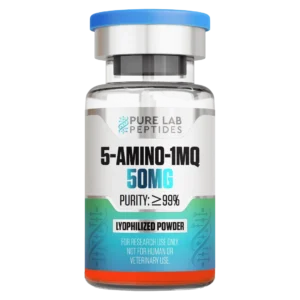
5-Amino-1MQ 50 mg
$229.19 -

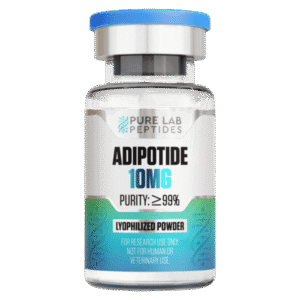
Adipotide 10 mg FTPP Peptide
$67.00 – $396.99Price range: $67.00 through $396.99Select options This product has multiple variants. The options may be chosen on the product page -
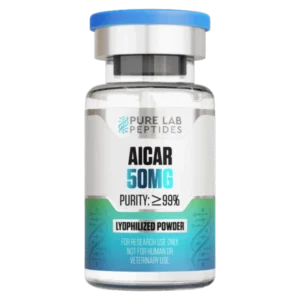
AICAR 50 mg Peptide
$50.99 – $299.99Price range: $50.99 through $299.99Select options This product has multiple variants. The options may be chosen on the product page