Description
Buy Semaglutide 10 mg (GLP1-S) | Pure Lab Peptides Supply
GLP1-S 10 mg: Semaglutide Research Material
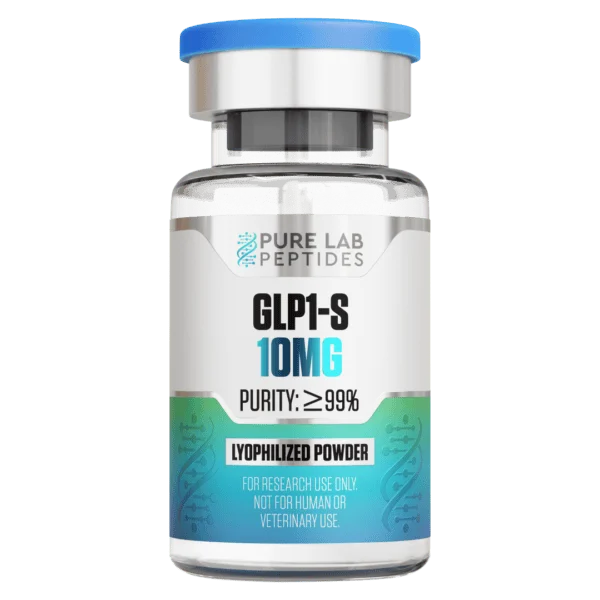
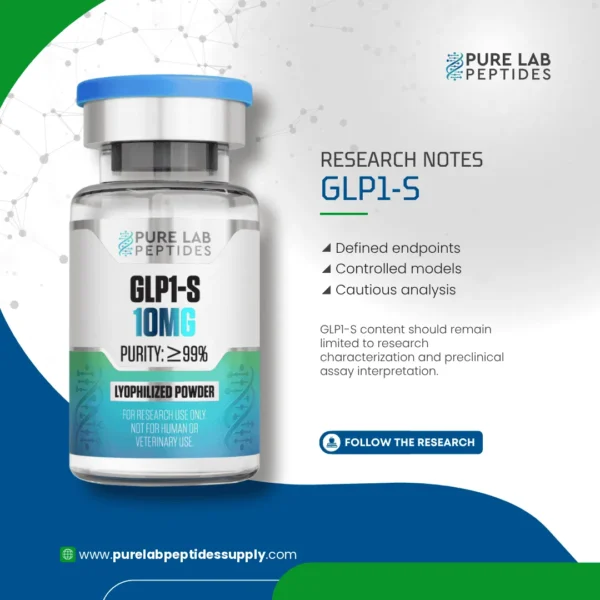
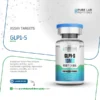
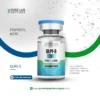
Buy Semaglutide 10 mg (GLP1-S) from Pure Lab Peptides Supply for laboratory research and analytical applications. Each listing specifies lyophilized powder in one boxed 3 mL vial.
Semaglutide is a synthetic peptide studied in research involving glucagon-like peptide-1 (GLP-1) receptor signaling. Its structural modifications distinguish it from native GLP-1 and related peptide analogues. Therefore, researchers should verify compound identity and review the relevant analytical documentation before selecting material for a study.
The 10 mg label specifies the stated material quantity. Meanwhile, the 3 mL measurement describes the vial’s container capacity rather than a supplied liquid volume or solution concentration.
Product Overview
- Product Name: GLP1-S (Semaglutide)
- Labeled Quantity: 10 mg
- Presentation: One boxed 3 mL vial
- Physical Format: Lyophilized powder
- Compound Class: Synthetic GLP-1 analogue peptide
- Reference Molecular Formula: C₁₈₇H₂₉₁N₄₅O₅₉, as listed in the supplied specifications
- Reference Molecular Weight: Approximately 4,114 g/mol, as listed in the supplied specifications
- Compound Identity: Semaglutide, according to the supplied catalog description
- Product Type: Single-compound research material
- Intended Application: Laboratory research, analytical characterization, and in-vitro assay development
- CAS Number: 910463-68-2, as provided for the reference compound
- Supplier-Listed Purity: ≥99%; consult the applicable batch documentation
- Documentation: Review the available COA and product documentation
The formula and molecular weight above refer to the listed reference molecule. However, these values do not independently confirm the complete chemical form of the supplied material. Consequently, researchers should verify any salt, counterion, or additional formulation information before using reference values in analytical calculations.
Compare the Available GLP1-S Presentations
Pure Lab Peptides Supply lists the GLP1-S product family in different labeled quantities, including 5 mg, 10 mg, and 20 mg presentations. Each option provides a different stated material amount. Therefore, select the presentation that matches your planned laboratory requirements.
Additionally, review the documentation associated with your selected presentation. A larger labeled quantity does not automatically establish higher purity, a different molecular identity, or different analytical characteristics.
Single-Compound Material Versus a Blend
GLP1-S 10 mg represents the semaglutide single-compound listing described in the supplied catalog information. In contrast, a blend containing cagrilintide and GLP1-S combines two components.
For that reason, distinguish the total milligram quantity of a blend from the amount assigned to each individual component. Always check the product-specific composition before comparing presentations or recording material quantities in research documentation.
Visit Pure Lab Peptides Supply to explore the catalog and available product information.
Semaglutide Research Background
GLP-1 Receptor Research
Researchers study semaglutide in experimental work involving GLP-1 receptor signaling. These investigations can examine molecular characteristics, receptor-related endpoints, and analytical properties under defined laboratory conditions.
However, published findings apply to the materials and experimental methods used in each study. They do not independently verify the identity, purity, or performance of a commercial batch. Therefore, researchers should assess product documentation separately from published scientific evidence.
Molecular Modifications and Compound Characterization
Semaglutide contains structural modifications that distinguish it from native GLP-1. Consequently, researchers comparing related peptides should review the reference structure and confirm the identity of the specific material under investigation.
In addition, analytical characterization involves several distinct measurements. Compound identity helps establish what material a test examines, while chromatographic purity describes the distribution of detected components under the method used. Measured content, meanwhile, addresses the quantity determined by the relevant analytical procedure.
These measurements answer different questions. For this reason, researchers should evaluate them separately rather than treating a single purity figure as complete evidence of every product attribute.
In-Vitro Assays and Analytical Method Development
Semaglutide research may involve controlled in-vitro assays, compound characterization, and analytical method development. Nevertheless, experimental findings depend on the assay design, analytical method, and material under examination.
A published study therefore provides scientific context rather than automatic confirmation of a commercial vial. Before comparing results, verify that the documented compound identity, chemical form, and analytical methods are appropriate for the planned investigation.
Product Specifications
- CAS Number: 910463-68-2, as supplied for the reference compound
- Molecular Formula: C₁₈₇H₂₉₁N₄₅O₅₉, as listed for the reference molecule
- Molecular Weight: Approximately 4,114 g/mol, as listed for the reference molecule
- Purity: Supplier-listed specification of ≥99%; verify the applicable batch report
- Appearance: White lyophilized powder
- Synthesis Method: Solid-phase synthesis, according to the supplied product specifications
- Solubility: Water or 1% acetic acid, according to the supplied product specifications; verify compatibility with the intended laboratory method
- Stability and Storage: The supplied specifications state a period of up to 24 months at −20°C. Confirm the actual expiry information and storage requirements against the applicable product records.
- Shipping Conditions: The supplied specifications state shipment at ambient temperature, followed by storage at −20°C after receipt. Follow the current product-specific handling instructions.
- Regulatory and Compliance Information: The supplied product information states that the manufacturer operates in a facility that adheres to cGMP guidelines. Request supporting documentation when verification matters to your research.
- Safety Information: Consult the applicable material safety data sheet (MSDS) or current safety documentation.
These details reflect the specifications provided for this listing. However, general product information cannot replace batch-specific evidence. In particular, the stated formula and molecular weight do not independently confirm the precise chemical form or complete composition of an individual vial.
COA and Product Documentation
Review Available Batch Records
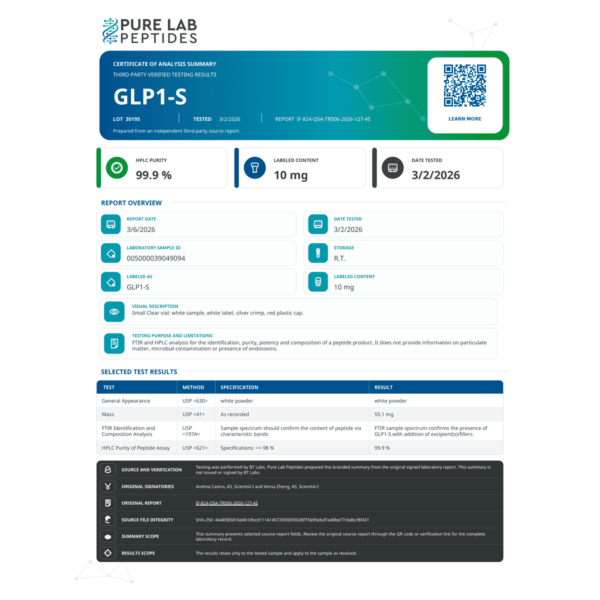
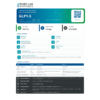
Before relying on an analytical result, match the certificate of analysis (COA) to the exact product, presentation, and lot under consideration. The COA and product documentation page provides access to the available documentation.
Where applicable, review the reported identity, chromatographic purity, measured content, analytical method, and testing date. Moreover, check the report itself to understand which sample and measurements it covers.
A report for another presentation or batch does not automatically apply to this listing. Similarly, a supplier’s stated purity specification does not replace the actual result from the relevant analytical report.
GLP1-S 10 mg Certificate of Analysis
The supplied product information refers to independent lot testing and third-party laboratory documentation. However, it does not include a specific GLP1-S 10 mg lot number, report number, test date, or measured batch result.
Accordingly, this description does not assign an unverified test result to the product. Before publication, confirm the current report and connect it to the correct product lot. This step helps readers distinguish the supplier’s general specifications from the findings reported for a particular sample.
Storage and Laboratory Handling
Follow the product-specific technical documentation when determining suitable storage and handling conditions. Although the supplied specifications state storage at −20°C for up to 24 months, verify the applicable expiry information before relying on that period.
Additionally, distinguish the stability of the original lyophilized material from the stability of a prepared solution. The former does not automatically establish the latter. Likewise, a general solubility statement does not confirm compatibility with every solvent, buffer, or analytical procedure.
Before handling the material, review the relevant safety documentation and follow appropriate laboratory procedures. Keep the product records available for traceability throughout the research process.
Frequently Asked Questions
What is GLP1-S 10 mg?
GLP1-S 10 mg is the catalog listing identified as semaglutide in the supplied product information. The listing specifies lyophilized powder in one boxed 3 mL vial containing a labeled material quantity of 10 mg.
Is GLP1-S the same as semaglutide?
The supplied catalog description identifies GLP1-S as semaglutide. Nevertheless, researchers should confirm the identity and chemical form of the specific material through the applicable product documentation.
What does the 10 mg quantity mean?
The 10 mg figure represents the labeled material quantity. By comparison, the 3 mL figure describes the vial’s capacity. Neither value specifies a supplied liquid volume or a prepared solution’s concentration.
How does the 10 mg presentation compare with the 5 mg and 20 mg sizes?
The principal stated difference is the labeled material quantity. However, researchers should review the documentation for the exact presentation they select. A higher milligram amount does not, by itself, establish higher purity or different analytical characteristics.
What research areas involve semaglutide?
Semaglutide appears in research involving GLP-1 receptor signaling, compound characterization, and analytical methods. However, individual findings depend on the specific study design and experimental conditions.
Where can I find the COA?
Visit the COA and product documentation page to review the available records. For batch-specific research, match the report to the product presentation and lot before relying on its results.
How should GLP1-S 10 mg be stored?
The supplied specifications list storage at −20°C and state a period of up to 24 months. However, consult the applicable product records for the relevant expiry information and handling requirements rather than relying solely on a general statement.
Is this product intended for human or veterinary use?
No. This listing is intended for laboratory research only. It is not intended for human consumption or veterinary use.
Order GLP1-S 10 mg from Pure Lab Peptides Supply
Choose GLP1-S 10 mg (semaglutide) for laboratory research and analytical work that requires a defined labeled material quantity. Before proceeding, review the product specifications and confirm that the available documentation meets your research requirements.
Visit Pure Lab Peptides Supply to explore the catalog and review the available product documentation.
For laboratory research only. Not for human or veterinary use.