PEG-MGF 2 mg Research Material | Pure Lab Peptides Supply
Description
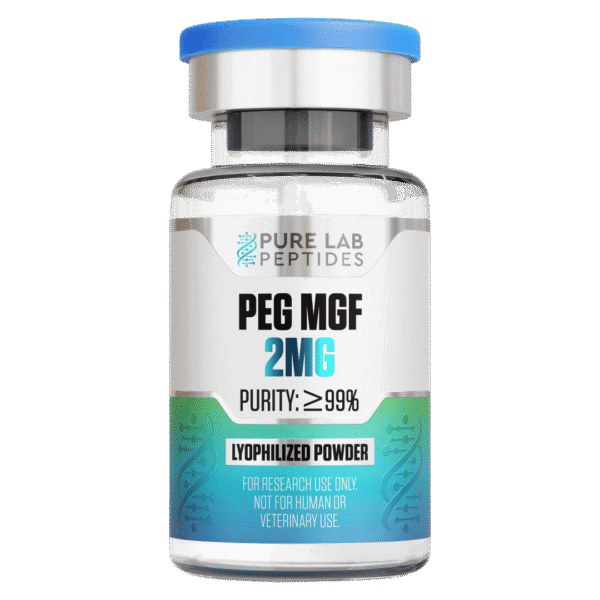
PEG-MGF 2 mg
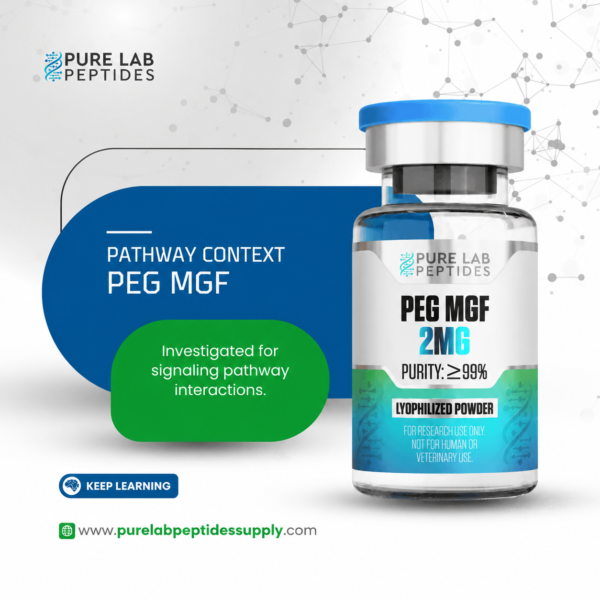
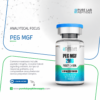
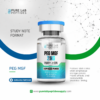
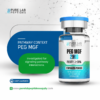
Buy PEG-MGF 2 mg from Pure Lab Peptides Supply for laboratory research and analytical evaluation. This listing describes a polyethylene glycol (PEG)-conjugated MGF research material in lyophilized powder form. Each package contains one boxed 3 mL vial.
PEG-MGF combines an MGF-associated peptide with a polyethylene glycol component. However, researchers need the complete conjugate specification to understand its structure and compare it accurately with other materials. Therefore, review the available technical documentation before drawing conclusions about its composition or properties.
What to Check in a PEG-MGF Specification
PEG-conjugated peptides contain multiple structural details that influence analytical interpretation. For that reason, researchers should check the following information before comparing PEG-MGF 2 mg with another preparation.
- Peptide identity: Confirm the peptide sequence and terminal chemistry.
- PEG characteristics: Check the polymer size and, where relevant, its molecular-weight distribution.
- Conjugation details: Identify the attachment site, linkage chemistry, and number of PEG chains per peptide.
- Labeled quantity: Determine whether the 2 mg label refers to the complete conjugate or the peptide component alone.
- Purity and identity: Review the analytical methods and batch-specific results in the available documentation.
- Packaging and appearance: Compare the vial label with the product and batch records.
These details matter because the molecular weight of an unconjugated peptide does not represent the complete PEG conjugate. Likewise, researchers need the correct molecular-weight basis to make meaningful molar comparisons.
Pure Lab Peptides Supply may also list MGF 5 mg as a separate product. However, PEG-MGF and unconjugated MGF represent different research materials. Consequently, researchers should not treat them as interchangeable references.
How Related MGF Research Applies
Research into MGF-associated peptides provides scientific context for this product category. Nevertheless, studies of defined MGF E-peptides do not automatically establish the properties of every PEG-MGF preparation.
One published study reported age-dependent proliferative responses to a defined MGF E-peptide in human muscle-cell cultures. A later investigation reported different results for the native and stabilized MGF peptides that its researchers tested under specific experimental conditions.
Together, these findings show why researchers must consider the exact peptide and experimental design when interpreting results. In addition, PEG size, attachment site, and conjugation chemistry introduce variables that can affect comparisons between a conjugate and an unconjugated peptide.
Researchers should therefore evaluate stability, biological activity, and half-life through suitable experiments on the specific conjugate. The presence of PEG alone does not establish a particular outcome.
Research Applications and Scientific Context
Researchers may evaluate PEG-MGF in laboratory workflows that examine peptide conjugates and their analytical characteristics. However, the suitability of this material depends on its documented identity and the requirements of the intended method.
Potential research applications include:
- Molecular characterization: Examine the structural attributes of the documented conjugate.
- Purity assessment: Evaluate appropriate analytical methods and review reported batch results.
- Conjugate comparison: Compare documented differences between PEG-conjugated and unconjugated research materials.
- Analytical method development: Assess whether a method can characterize the material reliably.
- Stability research: Investigate stability under defined conditions using suitable analytical measurements.
These applications describe research areas, not proven clinical benefits or established biological effects of this product. Actual findings depend on the material, experimental model, and measured endpoints.
Product Specifications
- Product name: PEG-MGF 2 mg
- Labeled quantity: 2 mg
- Material type: PEG-conjugated MGF research material, according to the supplied listing
- Format: Lyophilized powder
- Packaging: One boxed 3 mL vial
- Appearance: Lyophilized powder
- Applications: Laboratory research and analytical characterization
- Peptide sequence: Confirm through current product documentation
- PEG size and distribution: Confirm through current product documentation
- Conjugation chemistry: Verify the attachment site, linkage, and number of PEG chains
- Molecular weight: Requires the complete conjugate specification
- Purity and identity: Check the applicable batch documentation
- Storage and stability: Follow the instructions for this specific material
- Safety information: Consult the available product documents and applicable safety information
- Intended use: Laboratory research only
Important specification note: The supplied information does not include the complete peptide sequence, PEG specification, conjugation details, molecular weight, or numerical purity result. Therefore, this page does not assume or borrow those values from an unconjugated MGF product.
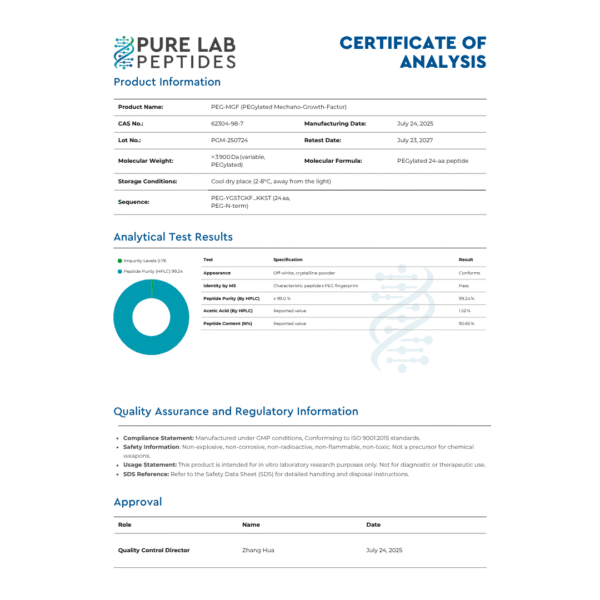
Review the COA and Product Documentation
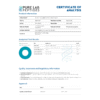
Before using PEG-MGF 2 mg in an analytical workflow, compare the vial label with the relevant batch record. Then, review the reported identity, purity, and measured content separately. Also, check which analytical methods support each result.
For PEG-conjugated materials, the labeled-mass basis deserves particular attention. The mass of the complete conjugate may differ from the mass of its peptide component. As a result, molar comparisons require a documented molecular weight and a clear definition of the reported quantity.
Furthermore, the 3 mL vial capacity describes the container rather than a solvent volume or preparation instruction. Always follow documentation that applies to the supplied material and the intended laboratory method.
Visit the COA and product documentation page to review available records. For additional product information, visit Pure Lab Peptides Supply.
Storage, Handling, and Research Use
Follow the current technical documentation for storage and handling. Since the supplied listing does not specify storage conditions, do not assume that instructions for another peptide or conjugate also apply to PEG-MGF.
Additionally, consult the relevant safety documentation and follow your laboratory’s handling procedures. Confirm solvent compatibility and analytical suitability before using the material in a method. Never infer preparation instructions from the labeled quantity or vial capacity alone.
Frequently Asked Questions
What is PEG-MGF 2 mg?
PEG-MGF 2 mg is a research material described as a PEG-conjugated MGF peptide. The listing specifies lyophilized powder in one boxed 3 mL vial. However, researchers should consult the product documentation to confirm the complete conjugate structure.
How does PEG-MGF differ from MGF?
PEG-MGF includes a polyethylene glycol component attached to an MGF-associated peptide. In contrast, unconjugated MGF does not include that polymer component. The precise structural differences depend on the documented conjugation chemistry.
Does the 2 mg label refer only to the peptide?
The supplied listing does not clarify whether 2 mg refers to the complete conjugate or the peptide component alone. Therefore, check the technical documentation before making mass or molar comparisons.
Can researchers apply findings from unconjugated MGF directly to PEG-MGF?
No. Research findings from one peptide preparation do not automatically establish the properties of a PEG-conjugated material. Researchers should consider the exact structure, conjugation details, and experimental conditions.
Where can I find the product documentation?
Visit the COA and product documentation page to review available records. Check that each document matches the specific product and batch under evaluation.
How should I store PEG-MGF 2 mg?
Consult the current technical documentation for the specific material. Because the supplied listing does not state storage conditions, avoid assuming that another MGF product’s instructions apply.
Explore PEG-MGF 2 mg Research Material
Explore PEG-MGF 2 mg from Pure Lab Peptides Supply for laboratory research and analytical evaluation. Before ordering, review the available product documents and confirm the conjugate identity, labeled-mass basis, and relevant technical specifications.
Visit Pure Lab Peptides Supply or consult the COA and product documentation page for further information.
For laboratory research only. Not for human or veterinary use.