BPC-157 + TB-500 20 mg Blend | Pure Lab Peptides Supply
Product Overview
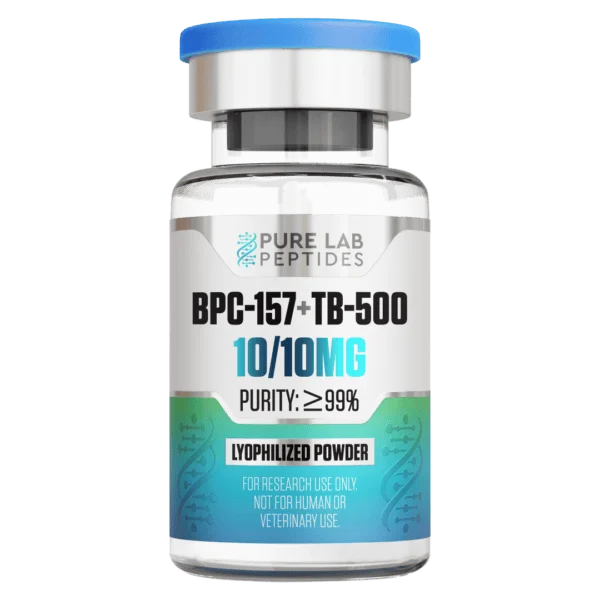
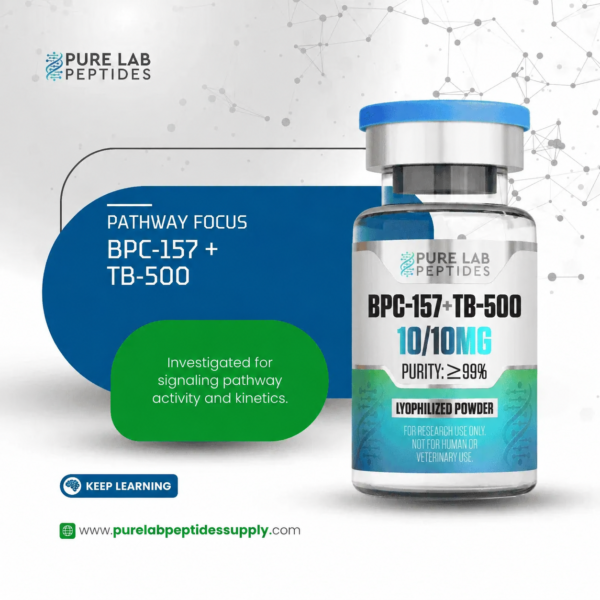
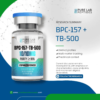
BPC-157 + TB-500 20 mg is a two-component peptide blend supplied as lyophilized powder in one boxed 3 mL vial for laboratory research. Available through Pure Lab Peptides Supply, this formulation contains equal labeled amounts of BPC-157 and TB-500, totaling 20 mg per vial.
Each vial contains 10 mg of BPC-157 and 10 mg of TB-500. This 1:1 mass ratio describes the stated composition of the blend, not an equivalence in molecular quantity or biological activity.
Researchers comparing peptide formulations should consider the identity of each component, the specified chemical form, and the available batch documentation. Published findings involving individual peptides do not independently establish the properties of the combined formulation.
BPC-157 + TB-500 20 mg Product Information
- Product name: BPC-157 + TB-500 20 mg blend
- Material category: Two-component peptide blend
- BPC-157: 10 mg per vial
- TB-500: 10 mg per vial
- Total labeled quantity: 20 mg per vial
- Physical presentation: Lyophilized powder
- Packaging: One boxed vial
- Vial capacity: 3 mL
- Labeled mass ratio: 1:1
The 20 mg total represents the combined labeled quantities of both components. Meanwhile, 3 mL describes the vial’s capacity rather than an included liquid volume or solution concentration.
The TB-500 component is specified in the supplied product description as full-length, N-acetylated thymosin beta-4, a 43-amino-acid peptide associated with CAS 77591-33-4. Researchers should verify this molecular identity against the relevant product documentation.
Compare BPC-157 + TB-500 Blend Sizes
The BPC-157 + TB-500 10 mg blend offers a different total labeled quantity while retaining the stated 1:1 mass ratio.
Although both presentations have the same labeled proportions, equal milligram amounts do not necessarily represent equal numbers of molecules. Molar comparisons require the molecular identity and molecular weight of each supplied component.
A premixed blend also fixes the labeled ingredient proportions. By contrast, the separate BPC-157 product and TB-500 product are distinct presentations that can be evaluated independently.
This formulation contains two listed components. It does not include KPV or GHK-Cu according to the supplied product specifications.
Scientific Research on BPC-157 and TB-500
BPC-157: Experimental Tendon Cell Research
Research by Chang and colleagues examined BPC-157 in rat Achilles tendon explants and cultured tendon fibroblasts. The investigators reported increased outgrowth and migration under the tested conditions, while their proliferation assay did not show a direct increase.
These findings describe specific experimental observations involving BPC-157. They do not establish the same response for a combined BPC-157 and TB-500 formulation or verify the performance of a particular commercial batch.
When interpreting published research, distinguish the experimental model, measured endpoint, and tested material from the specifications of a commercial product.
TB-500: Molecular Identity and Analytical Research
The supplied product description identifies TB-500 as full-length, N-acetylated thymosin beta-4. However, research involving other preparations sold under the TB-500 name may examine different molecular forms.
For example, analytical research by Esposito and colleagues examined an acetylated seven-residue fragment in a different preparation. That work does not independently characterize the full-length component specified in this product.
This distinction matters because peptide sequence, length, and chemical modifications influence molecular identity. Researchers should verify the documented structure rather than assuming that findings for a fragment apply to a full-length peptide.
Interpreting the Combined Formulation
Studies of BPC-157 and thymosin beta-4-related materials provide scientific context for investigating their individual properties. However, separate studies do not demonstrate synergy or establish the performance of this particular two-component blend.
Reliable comparisons should account for component identity, measured content, purity, and the experimental endpoints being evaluated. Claims about the combined formulation require evidence that directly examines the mixture.
BPC-157 + TB-500 COA and Batch Documentation
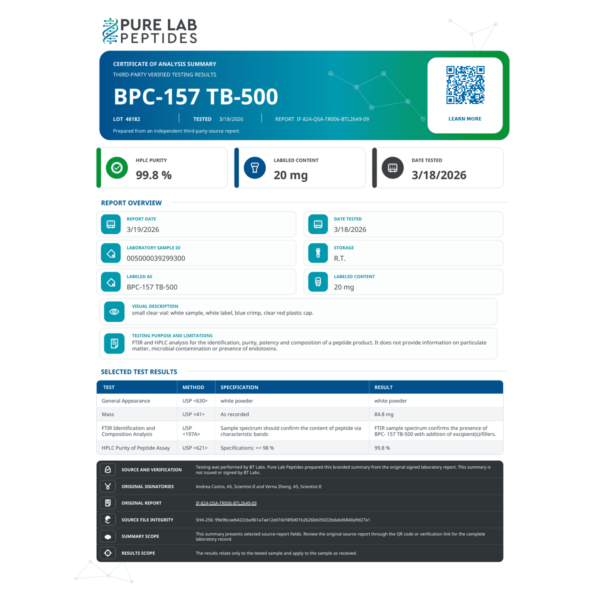
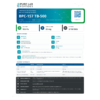
Visit the Pure Lab Peptides Supply COA and documentation page to review available product documentation.
When evaluating a certificate of analysis (COA), confirm that the report matches the exact blend size, formulation, and batch. Where available, review:
- Identity testing: Evidence used to identify each reported peptide.
- Chromatographic purity: The distribution of detected components under the stated analytical method.
- Component content: Whether BPC-157 and TB-500 are measured separately.
- Batch identification: The lot number linking the report to the supplied material.
- Analytical methods: The procedures used to obtain the reported results.
A combined purity percentage does not necessarily establish the individual content of both components. Similarly, the labeled 10 mg amounts describe the stated composition, not independently verified analytical results for every batch.
A general documentation page provides a starting point for review. Confirm that the applicable report identifies the relevant lot before drawing conclusions about a specific vial.
Storage and Handling Information
Follow the applicable supplier documentation and laboratory procedures for storage, handling, and material integrity. Requirements should reflect the supplied formulation and its documented characteristics.
Do not infer shelf life, stability after preparation, or other material properties from the vial capacity or from research involving different peptide preparations.
The 20 mg labeled total and 3 mL vial capacity describe separate product attributes. Neither measurement establishes a solution concentration or provides preparation instructions.
Frequently Asked Questions About BPC-157 + TB-500 20 mg
What is the BPC-157 + TB-500 20 mg blend?
It is a two-component peptide blend listed as containing 10 mg of BPC-157 and 10 mg of TB-500 per vial, for a total labeled quantity of 20 mg.
What is the ratio of BPC-157 to TB-500?
The stated mass ratio is 1:1 because each component is labeled as 10 mg per vial. This does not establish equal molar quantities or equal biological activity.
What is the difference between the 10 mg and 20 mg blends?
The listed presentations differ in total labeled quantity. Both are described as having the same 1:1 mass ratio, but their individual specifications and batch records should be reviewed separately.
Does this blend contain GHK-Cu or KPV?
No. According to the supplied product description, this formulation contains BPC-157 and TB-500 only.
What does full-length TB-500 mean in this listing?
The supplied description identifies TB-500 as full-length, N-acetylated thymosin beta-4, a 43-amino-acid peptide. The specified molecular identity should be confirmed through the applicable product documentation.
What should I check in the blend’s COA?
Review the matching lot number, component identities, analytical methods, purity results, and individual content measurements where available. Confirm whether the report assesses both peptides separately or reports only combined results.
Does the 3 mL vial contain 3 mL of solution?
Not necessarily. The 3 mL measurement refers to the vial’s capacity, not the volume of liquid supplied. The product is described as lyophilized powder.
Where can I find product documentation?
Visit Pure Lab Peptides Supply for supplier information and the COA and document page to review available analytical records. Match the documentation to the specific product and batch.
Research Documentation and Product Review
BPC-157 + TB-500 20 mg is listed as a two-component peptide blend supplied as lyophilized powder in a boxed 3 mL vial. Its stated 1:1 mass ratio, specified component identities, and batch documentation provide the relevant starting points for evaluating the material in a laboratory research context.
Explore Pure Lab Peptides Supply for supplier information, compare the 10 mg blend where relevant, and review the available COA documentation for applicable analytical records.
Research-use statement: This description provides scientific and material-identification information. It does not establish suitability for human or veterinary use, diagnose or treat a medical condition, or guarantee a particular experimental outcome.