Melanotan I 10 mg Research Peptide | Pure Lab Peptides Supply
Product Overview
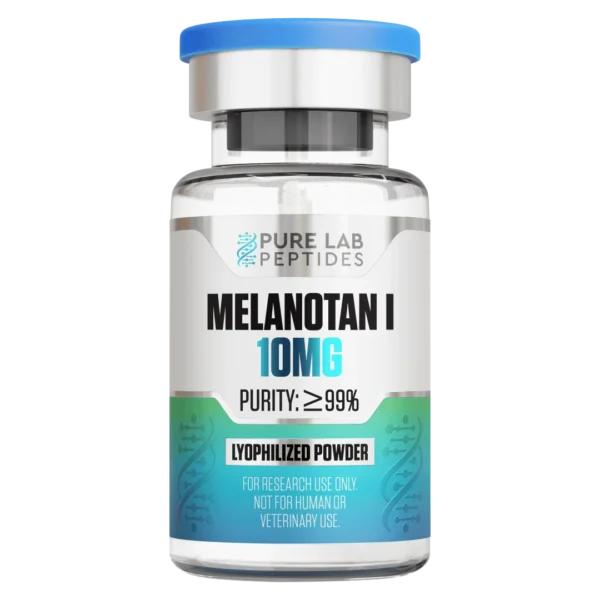
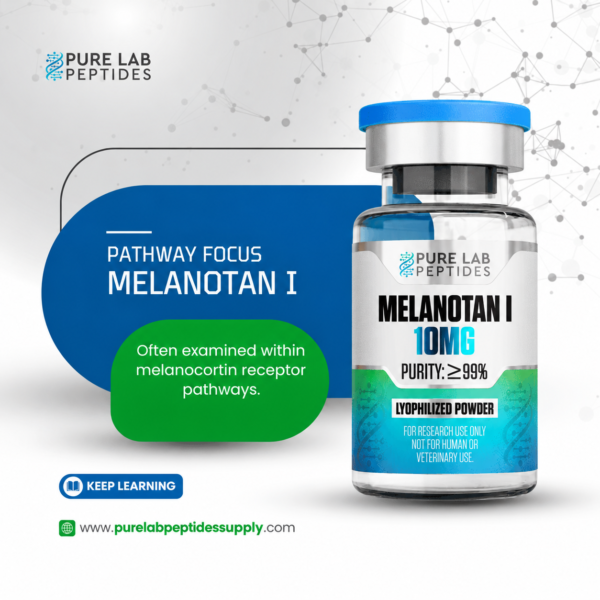
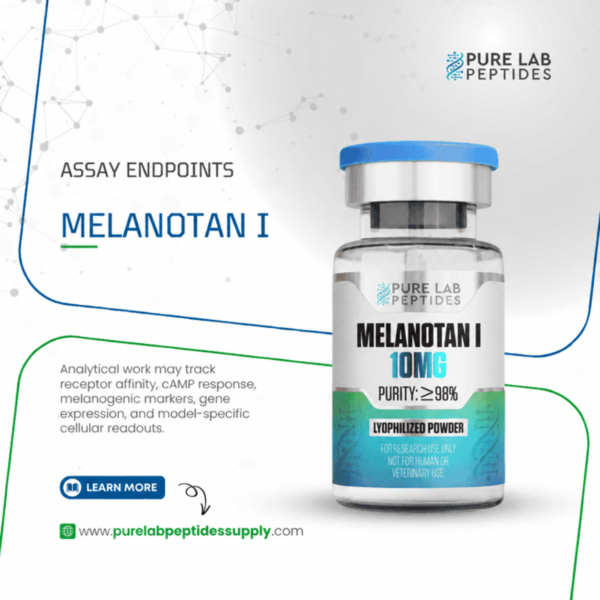
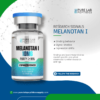
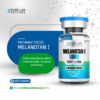
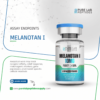
Explore Melanotan I 10 mg from Pure Lab Peptides Supply, supplied as lyophilized powder in one boxed 3 mL vial for laboratory research.
Melanotan I is a synthetic, linear peptide associated with the Nle⁴,D-Phe⁷ analog of alpha-melanocyte-stimulating hormone (α-MSH). Researchers study this analog in the context of melanocortin biology and peptide structure. However, accurate comparisons require the specific analog identity and chemical form, rather than the name alone.
For product information and available batch documentation, visit Pure Lab Peptides Supply and the COA and document page.
Product Information
- Product name: Melanotan I
- Labeled quantity: 10 mg
- Physical form: Lyophilized powder
- Packaging: One boxed 3 mL vial
- Peptide type: Synthetic, linear melanocortin analog
- Related reference peptide: Alpha-melanocyte-stimulating hormone (α-MSH)
- Structural notation: Nle⁴,D-Phe⁷
- Intended use: Laboratory research only; not for human or veterinary use
Choose the Correct Melanocortin Analog
The Roman numeral in Melanotan I identifies the analog; it does not indicate peptide length or product quantity. By comparison, Melanotan II has a different, cyclic structure. PT-141 is another distinct cyclic melanocortin-related peptide.
Although these compounds have related research backgrounds, their structures and properties differ. Therefore, findings involving one analog should not automatically be attributed to another simply because their names or receptor targets overlap.
In peptide notation, Nle identifies norleucine, while D-Phe identifies the D form of phenylalanine. These substitutions help define the analog’s structure. Before comparing experimental results, researchers should confirm the complete sequence, terminal groups, and supplied chemical form against the relevant reference material.
Furthermore, researchers should use the molecular characteristics of the specified compound when interpreting molar quantities or comparing analytical results. The labeled milligram amount alone does not establish molar concentration.
Scientific Background: What the Original Research Examined
Comparisons with Alpha-MSH
Sawyer and colleagues examined a modified melanocortin analog alongside α-MSH using frog-skin bioassays and measurements of enzyme activity in mouse melanoma systems. The researchers also investigated the analog’s resistance to degradation by serum enzymes.
These experiments addressed distinct scientific questions. For example, an enzyme measurement describes a biochemical response, while a tissue bioassay evaluates a response in a particular biological system. Likewise, degradation testing examines peptide stability under the conditions used in the experiment.
Consequently, the results provide historical research context for the analog’s structure and investigation. However, they do not establish a human tanning outcome, clinical suitability, or a performance guarantee for this specific product.
Published findings should always be interpreted within the experimental model, methods, and endpoints reported by the investigators. In addition, those findings cannot independently verify the identity or analytical characteristics of a commercial batch.
COA and Batch Documentation
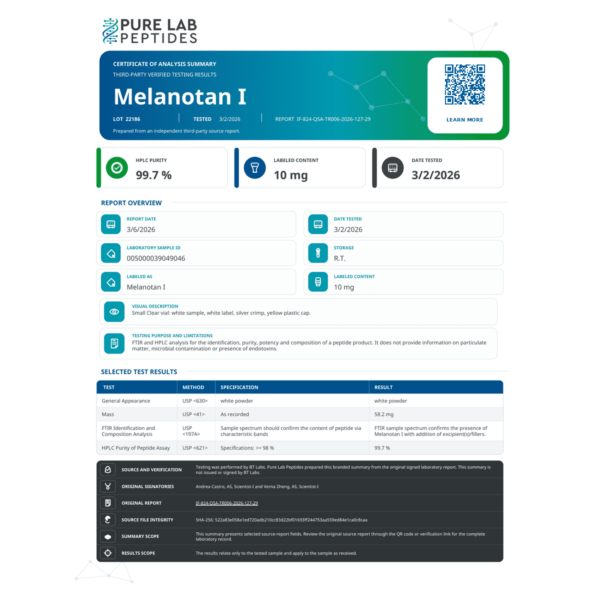
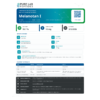
Before evaluating Melanotan I 10 mg, review the available records through the COA and document page. Match the product name and lot identifier, then examine which tests the relevant report documents.
Identity, chromatographic purity, and measured content are separate analytical results. For instance, a purity result alone does not establish the total quantity of peptide in the vial or its biological activity. Therefore, researchers should review each measurement according to what the analytical method actually establishes.
For additional product information, visit Pure Lab Peptides Supply.
Packaging and Research Considerations
Melanotan I 10 mg is supplied as lyophilized powder in one boxed 3 mL vial. The 10 mg label describes the stated material quantity, whereas 3 mL describes the container’s capacity. Neither specification indicates a prepared solution concentration or a preparation volume.
Researchers should follow the handling, storage, and analytical procedures applicable to the supplied material and their laboratory methods. Moreover, a research powder is not interchangeable with a formulated medicinal product simply because both may refer to a related peptide.
This product is intended for laboratory research only and is not intended for human or veterinary use.
Frequently Asked Questions
What is Melanotan I?
Melanotan I is a synthetic, linear melanocortin analog associated with modified α-MSH. Researchers study its structure and properties in melanocortin-related investigations.
What does Melanotan I 10 mg mean?
Melanotan I identifies the analog, while 10 mg indicates the labeled quantity of material. It does not specify a liquid concentration or experimental dose.
How does Melanotan I differ from Melanotan II?
Melanotan I is described as a linear peptide analog, whereas Melanotan II has a cyclic structure. Consequently, researchers should treat them as distinct compounds and avoid assuming that findings for one apply to the other.
Is PT-141 the same as Melanotan I?
No. PT-141 is a distinct cyclic melanocortin-related peptide. Its structure and research findings should be evaluated separately from those of Melanotan I.
Where can I review the available batch reports?
Visit the COA and document page to review available product files and analytical reports. Always confirm that the documentation matches the product and lot being evaluated.
Research Documentation and Product Review
Melanotan I provides a defined synthetic analog for research involving melanocortin biology and peptide structure. However, reliable interpretation requires researchers to distinguish the published findings from batch-specific analytical evidence and to confirm the exact analog under investigation.
To review product information and available documentation, visit Pure Lab Peptides Supply and the COA and document page.