



MOTS-c 5 mg Research Peptide | Pure Lab Peptides Supply
MOTS-c 5 mg: Research Material
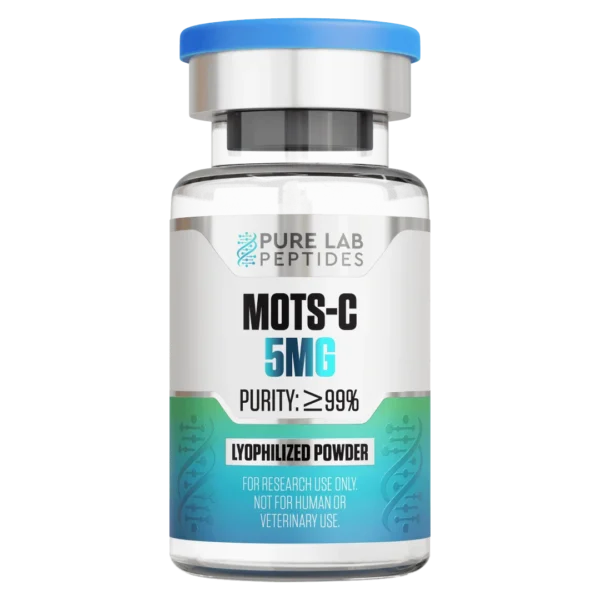
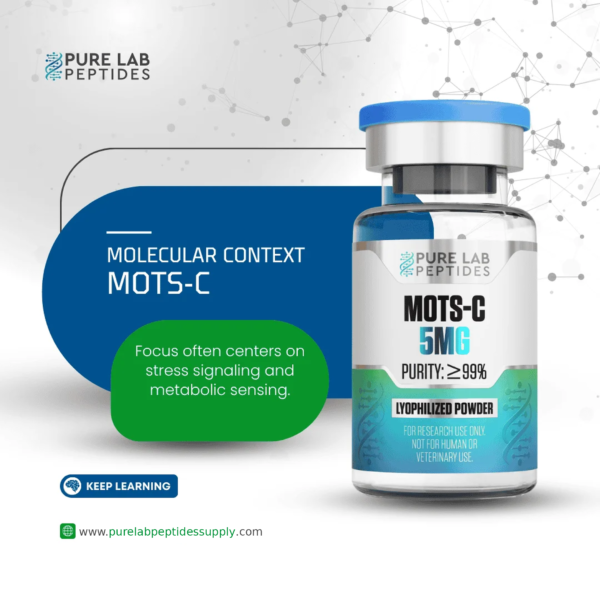
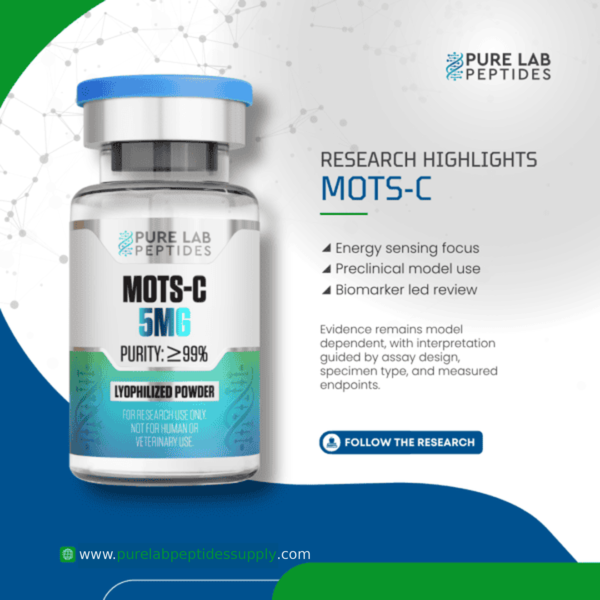
Buy MOTS-c 5 mg from Pure Lab Peptides Supply for laboratory research. This presentation contains 5 mg of labeled MOTS-c material supplied as lyophilized powder in one boxed 3 mL vial.
MOTS-c is a 16-amino-acid mitochondrial-derived peptide associated with a short open reading frame in the mitochondrial 12S ribosomal RNA gene. Researchers study its relationship with cellular metabolism, energy regulation, and stress-responsive signaling. Consequently, it has attracted interest in research exploring metabolic function and mitochondrial communication.
For laboratory research only. Not for human or veterinary use.
Choose the Right MOTS-c Presentation
This product supplies 5 mg of labeled MOTS-c material. The 10 mg, 20 mg, and 40 mg presentations offer different labeled quantities, so researchers can compare available formats with their project requirements.
All four presentations use the listed 3 mL vial capacity. However, vial capacity does not indicate material mass, concentration, purity, or biological activity.
Before selecting a presentation, review the peptide identity, sequence, chemical form, and applicable batch documentation. Modified sequences and shortened fragments may differ from the full-length peptide. Likewise, MOTS-c and SS-31 are distinct molecules with different structures and research contexts.
Explore the available presentations through Pure Lab Peptides Supply.
MOTS-c in Metabolic and Cellular-Stress Research
Discovery and Metabolic Measurements
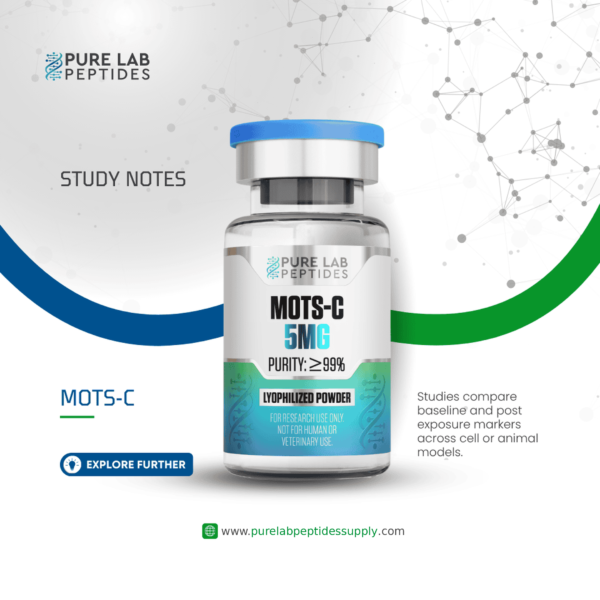
Lee and colleagues’ 2015 discovery study examined MOTS-c in cultured cells and mouse models. The researchers investigated changes involving folate and purine metabolism, AICAR accumulation, and AMPK signaling.
These findings helped establish MOTS-c as a subject of research into cellular energy regulation. Researchers can use this scientific background to identify relevant experimental questions and evaluate metabolic pathways through suitable laboratory methods.
The study does not establish that this commercial product causes weight loss, improves exercise performance, or extends lifespan in humans.
Cellular Localization During Metabolic Stress
In a 2018 study, Kim and colleagues investigated MOTS-c localization in cultured cells under glucose restriction and other metabolic stress conditions. Their findings linked nuclear movement with AMPK-related signaling in the experimental systems examined.
This work offers another research direction for scientists investigating mitochondrial communication and cellular adaptation. Researchers should distinguish peptide abundance, cellular location, and downstream gene expression because each represents a different experimental endpoint.
Potential Human-Health Relevance of MOTS-c Research
MOTS-c has attracted attention because its proposed biological roles overlap with pathways relevant to human metabolic health. Although research remains ongoing, several areas have drawn scientific interest.
- Metabolic regulation: Researchers are investigating whether MOTS-c-related pathways can improve understanding of glucose metabolism and the regulation of cellular energy.
- Exercise-related metabolism: Studies of MOTS-c have explored links between mitochondrial signaling, physical stress, and metabolic adaptation. These questions may help scientists understand how cells respond to changing energy demands.
- Insulin sensitivity and glucose control: Metabolic signaling is an area of interest in MOTS-c research, including questions about how related pathways interact with glucose regulation. A proven clinical benefit in humans has not been established.
- Age-related metabolic changes: Researchers are exploring mitochondrial signaling as part of broader investigations into cellular function and metabolic changes associated with aging.
What Do These Potential Effects Mean?
These research directions may contribute to scientific understanding of metabolic processes relevant to humans. However, potential biological relevance does not establish a treatment benefit. Current research should not be interpreted as proof that MOTS-c improves insulin sensitivity, promotes weight loss, enhances athletic performance, or slows aging in humans.
This product is intended for laboratory research, not personal use. Findings from published studies also do not establish the performance or clinical effects of a specific commercial batch.
Product Specifications
| Specification | Details |
|---|---|
| Product name | MOTS-c 5 mg |
| Labeled quantity | 5 mg |
| Peptide description | 16-amino-acid mitochondrial-derived peptide |
| Presentation | Lyophilized powder |
| Appearance | White lyophilized powder |
| Packaging | One boxed 3 mL vial |
| Listed purity | ≥99%, subject to supporting batch documentation |
| Synthesis | Solid-phase synthesis, according to supplied specifications |
| Research applications | In-vitro assays, compound characterization, analytical method development |
| Listed solubility | Water or 1% acetic acid, according to supplied specifications |
| Listed storage | −20°C after receipt, according to supplied specifications |
| Safety information | Refer to the applicable safety data sheet |
COA and Batch Documentation
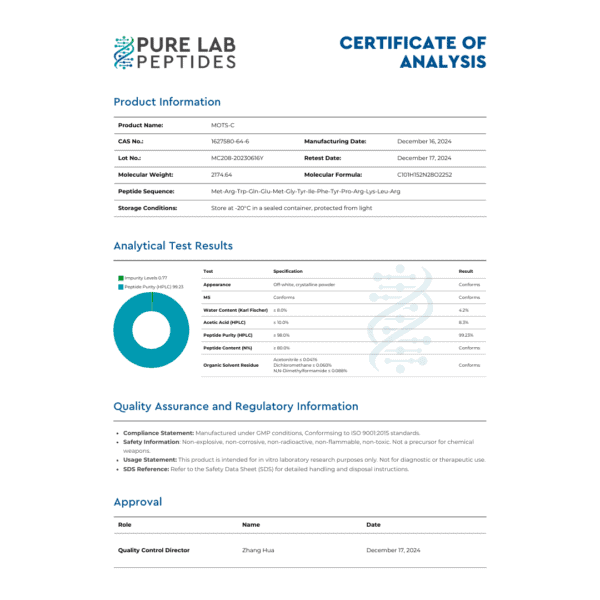
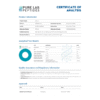
Before using MOTS-c in a laboratory study, review the available product records and batch documentation. Confirm that the documentation corresponds to the lot being evaluated and check the reported identity, purity, and chemical form.
Chromatographic purity and measured peptide content are different properties. Likewise, a molecular weight used in concentration calculations must match the relevant chemical form. These details matter when researchers compare experimental results or develop analytical methods.
Visit the COA and documentation page to review available documentation.
Packaging, Storage, and Research Considerations
The supplied product specifications describe ambient-temperature shipping and storage at −20°C after receipt. The stated stability period is up to 24 months at −20°C; researchers should confirm applicable conditions against the relevant product records.
Before beginning an experiment, review the supplied safety information and follow the procedures approved for your laboratory. Do not assume that a published study’s preparation, solvent, storage conditions, or findings apply automatically to this product.
Frequently Asked Questions
What is MOTS-c 5 mg?
MOTS-c 5 mg is a research material presented as lyophilized powder in one boxed 3 mL vial. The 5 mg label refers to the stated material quantity, while 3 mL refers to vial capacity.
What is MOTS-c studied for?
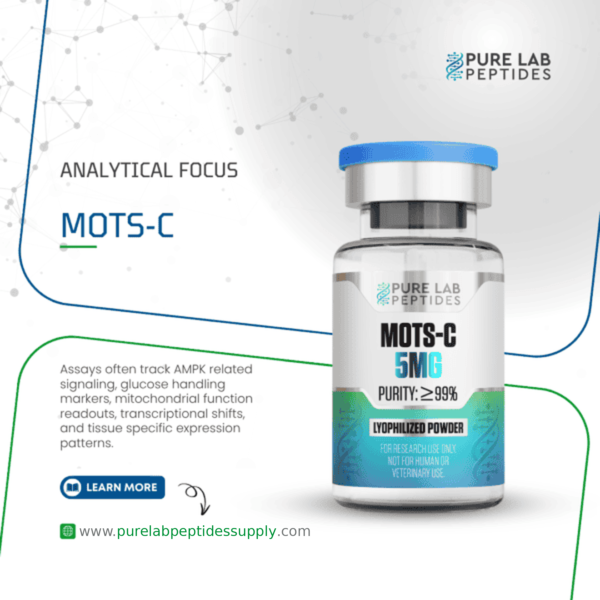
Researchers investigate MOTS-c in connection with cellular metabolism, AMPK-related signaling, and metabolic stress. These research areas help inform scientific questions but do not establish clinical benefits for humans.
What positive effects are researchers investigating?
Research has explored pathways relevant to metabolic regulation, glucose control, exercise-related metabolic adaptation, and age-related cellular changes. However, these areas remain research interests rather than proven benefits from this commercial product.
How do I select the right presentation?
Compare the labeled quantity, product identity, chemical form, and batch documentation with your laboratory’s requirements. A larger labeled quantity does not automatically indicate higher purity or stronger biological activity.
Is MOTS-c 5 mg intended for human use?
No. This product is supplied strictly for laboratory research. It is not intended for human or veterinary use, self-administration, diagnosis, treatment, or prevention of disease.
Review Product Information Before Ordering
MOTS-c 5 mg offers a clearly identified research presentation for laboratories investigating mitochondrial-derived peptides and cellular metabolism. Review the listed specifications and available batch documentation to determine whether the material fits your research requirements.
For laboratory research only. Not for human or veterinary use.