IGF-1 LR3 1 mg | Pure Lab Peptides Supply
Product Overview
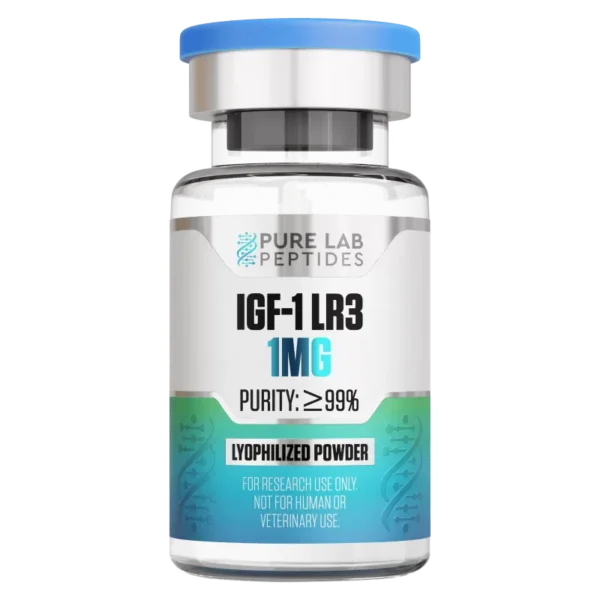
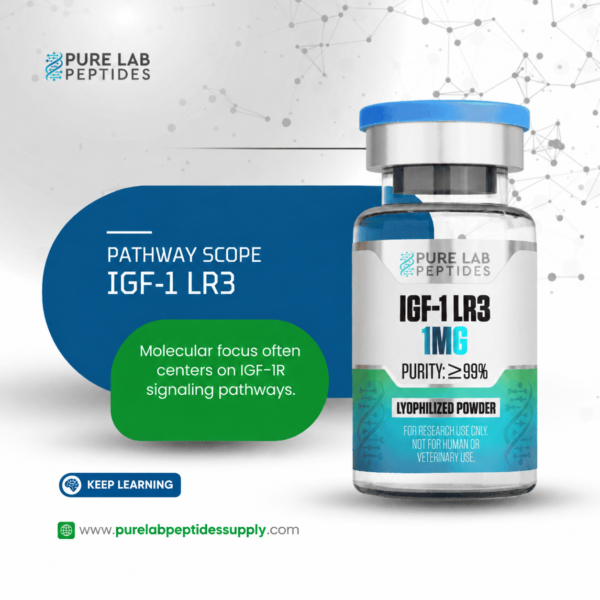
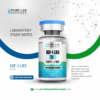
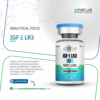
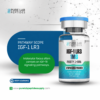
IGF-1 LR3 1 mg from Pure Lab Peptides Supply is a research material supplied as lyophilized powder in one boxed 3 mL vial. This modified insulin-like growth factor is studied in laboratory settings involving growth-factor interactions, protein characterization, and analytical identification.
Researchers should distinguish IGF-1 LR3 from native IGF-I and other related analogs. Accurate naming and suitable material documentation help maintain clear research records and support appropriate analytical comparisons.
Product Information
- Product name: IGF-1 LR3 1 mg
- Labeled quantity: 1 mg
- Presentation: Lyophilized powder
- Packaging: One boxed 3 mL vial
- Research category: Modified insulin-like growth factor
- Intended use: Laboratory research only
The 1 mg label refers to the stated material quantity, while 3 mL describes the vial’s capacity. Neither figure specifies a supplied liquid volume or solution concentration.
What Distinguishes IGF-1 LR3?
Long Arg3-IGF-I, commonly known as IGF-1 LR3, is a modified form of insulin-like growth factor I. Its structure includes a 13-amino-acid extension at the N-terminus and an arginine substitution at position 3 of the IGF-I portion.
These structural features distinguish it from native IGF-I, R3-IGF-I without the N-terminal extension, and the shorter DES(1-3) analog. Consequently, researchers should record the complete analog name when documenting analytical methods, materials, and experimental comparisons.
Scientific Research on IGF-1 LR3
IGF-Binding Protein Interactions
Francis and colleagues compared Long Arg3-IGF-I with native IGF-I in different cellular systems. Their findings showed that interactions with IGF-binding proteins influenced the observed responses. Long Arg3-IGF-I produced stronger responses than native IGF-I in some cell models, while the relative response differed in fibroblasts without detectable secreted binding proteins.
These results highlight the importance of experimental context. Findings from one cell model should not automatically be generalized to another system or treated as proof of biological performance for a separate commercial material.
Analytical Identification of IGF-I Analogs
Mongongu and colleagues investigated methods for identifying IGF-I analogs using antibody-based purification, nano-liquid chromatography, and high-resolution mass spectrometry. Their work examined recovery and matrix effects in fortified serum and identified oxidized forms and N-terminal degradation products.
This research illustrates why analytical identification may require attention to the target protein, related forms, and sample matrix. However, findings from that study do not independently verify the identity, purity, content, or activity of another product lot.
Analytical Identity and Sample Quality
When evaluating IGF-1 LR3 for laboratory research, distinguish among the principal measurements reported in analytical documentation:
- Identity: Whether the material matches the intended target.
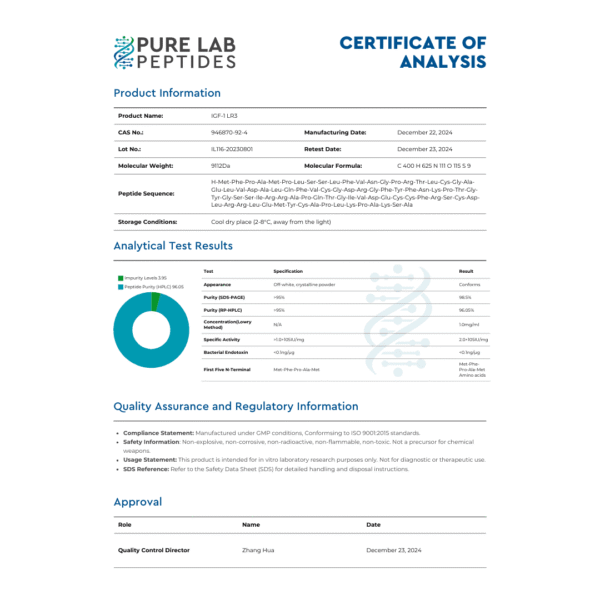
- Chromatographic purity: The proportion represented by the target peak under the stated analytical method.
- Measured content: The quantity determined using the specified measurement procedure.
- Biological activity: Functional performance assessed through an appropriate biological assay.
These measurements are not interchangeable. For example, a reported purity percentage does not, by itself, establish the total amount of material or demonstrate biological activity.
Certificate of Analysis and Product Documentation
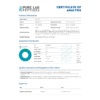
Visit the COA and document page to review available documentation. Compare the applicable batch information with the vial label, and check which analytical methods and results the report actually provides.
For accurate research records, document the analog name, material identification, relevant batch details, and applicable analytical findings. Use the supplied product documentation to guide laboratory handling and storage.
For additional information about the supplier and its catalog, visit Pure Lab Peptides Supply.
Frequently Asked Questions
What is IGF-1 LR3?
IGF-1 LR3 is a modified insulin-like growth factor I analog studied in research involving growth-factor interactions and analytical characterization.
What does LR3 mean?
The name refers to a modified structure that includes an N-terminal extension and an arginine substitution at position 3 of the IGF-I portion.
How much material is supplied?
The product is labeled as 1 mg of lyophilized material in one boxed 3 mL vial. The vial capacity does not indicate a liquid volume or solution concentration.
Is IGF-1 LR3 the same as native IGF-I?
No. IGF-1 LR3 has structural modifications that distinguish it from native IGF-I and other related analogs.
Where can I review the available documentation?
Visit the COA and document page and check the available records for the relevant product and batch.
Research Documentation and Product Review
IGF-1 LR3 1 mg is presented as a lyophilized research material for laboratory investigation and analytical identification. Researchers should distinguish its modified structure from related IGF-I analogs, assess documentation according to the measurements reported, and avoid assuming that published component-level research establishes the characteristics of a specific commercial lot.
Review the product information and available documentation through Pure Lab Peptides Supply. This material is intended for laboratory research only and is not presented for human or veterinary use.