Description
Buy Cagrilintide 5 mg | Pure Lab Peptides Supply
Cagrilintide 5 mg: Research Material
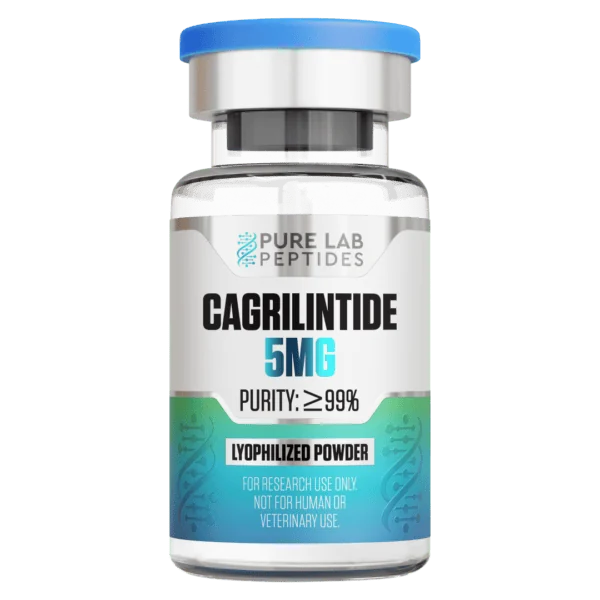
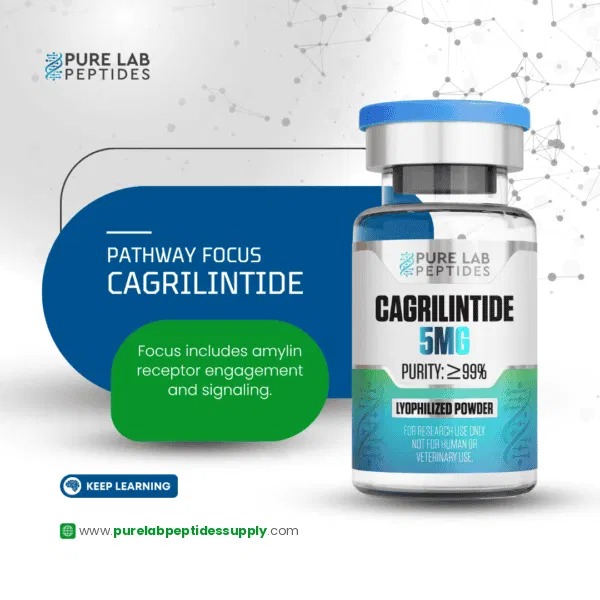
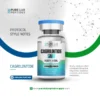
Buy Cagrilintide 5 mg from Pure Lab Peptides Supply for laboratory research involving amylin signaling, calcitonin-family receptors, and peptide characterization. This listing identifies a 5 mg quantity of cagrilintide research material.
Cagrilintide is a synthetic, long-acting amylin analogue. In particular, researchers investigate its interactions with amylin receptors and the calcitonin receptor to better understand its molecular characteristics. Unlike semaglutide, which belongs to the GLP-1 analogue family, cagrilintide represents a different peptide category. Consequently, these compounds have distinct molecular structures and research targets.
The 5 mg label identifies the stated material quantity. However, that figure does not establish a supplied liquid volume or solution concentration. Therefore, review the product presentation, chemical form, and applicable batch documentation before selecting this material for analytical research.
Product Overview
Cagrilintide 5 mg is listed as a single-compound research material. Moreover, its classification as an amylin analogue distinguishes it from GLP-1 peptides and other research compounds.
- Product Name: Cagrilintide
- Labeled Quantity: 5 mg
- Compound Class: Synthetic amylin analogue
- Molecular Category: Long-acting peptide analogue
- Research Focus: Amylin receptor and calcitonin receptor interactions
- Product Type: Single-compound research material
- Physical Format: Confirm against the current product listing
- Vial Capacity: Refer to the product-specific packaging details
- Intended Application: Laboratory research, peptide characterization, and analytical studies
- Chemical Form: Verify against product-specific technical documentation
- Documentation: Review the available COA and product documentation
The 5 mg specification represents the labeled material quantity. Meanwhile, the physical presentation and complete chemical form require confirmation from the current product records. For this reason, researchers should not assume that reference information automatically verifies every attribute of a supplied batch.
Cagrilintide Research and Molecular Characteristics
Amylin Analogue Research
Amylin is a peptide hormone associated with metabolic signaling. Researchers investigate its receptor systems to better understand related molecular interactions and signaling pathways.
Cagrilintide builds on this research area through a modified, long-acting amylin structure. More specifically, its molecular design distinguishes it from native amylin and other related peptide compounds. As a result, researchers can examine its structural characteristics within amylin-related experimental systems.
Furthermore, studying modified amylin analogues helps researchers investigate how structural changes influence molecular interactions. Nevertheless, findings from one experimental model do not automatically apply to every research system.
Amylin and Calcitonin Receptor Interactions
Cagrilintide research also examines interactions with several receptor subtypes. These include AMY1R, AMY2R, and AMY3R, as well as the calcitonin receptor (CTR).
For example, structural research has examined cagrilintide in receptor-bound systems to investigate molecular interactions and binding characteristics. In addition, researchers have compared its interactions with those of related peptides. Consequently, these studies provide useful context for examining cagrilintide and calcitonin-family receptor structures.
However, each experiment investigates specific receptor systems and experimental conditions. Therefore, researchers should interpret published findings within the limits of the methods and materials used.
Molecular Structure and Peptide Characterization
Cagrilintide contains structural modifications that distinguish it from native human amylin. In particular, its modified peptide structure and lipidation contribute to its identity as a long-acting analogue.
These characteristics matter when researchers evaluate peptide identity and analytical properties. Furthermore, the complete molecular structure helps distinguish cagrilintide from other amylin-related compounds. For this reason, researchers should compare the reference structure with the chemical information in the product documentation rather than relying on the catalog name alone.
Cagrilintide Compared with Semaglutide
Cagrilintide and semaglutide belong to different peptide analogue groups. Cagrilintide relates to amylin and calcitonin-family receptor research, whereas semaglutide belongs to the GLP-1 analogue category.
Although researchers have examined both compounds in metabolic research, they do not share the same molecular identity or primary receptor targets. Accordingly, researchers should consider their different structures when comparing analytical results. In addition, the documentation for each compound should independently establish its identity and relevant specifications.
Product Specifications
- Product Name: Cagrilintide
- Labeled Amount: 5 mg
- Compound Class: Synthetic amylin analogue
- Molecular Category: Long-acting amylin analogue
- Research Focus: Amylin and calcitonin-family receptor interactions
- CAS Number: Verify against the applicable technical documentation
- Molecular Formula: Confirm against the verified reference structure and supplied chemical form
- Molecular Weight: Confirm against the verified reference structure and supplied chemical form
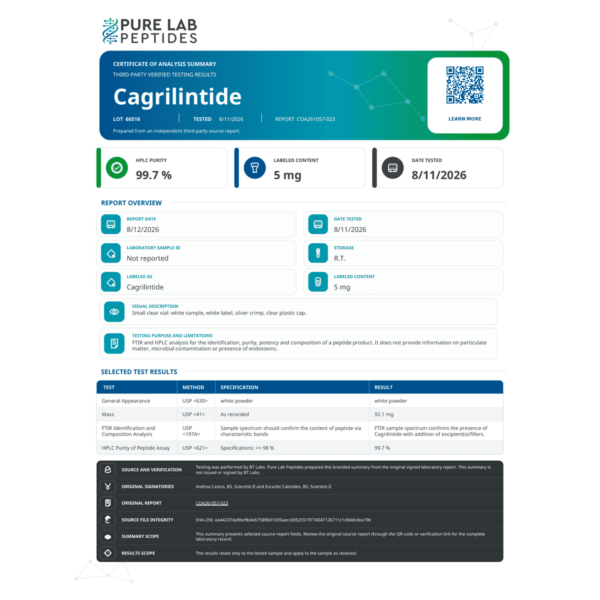
- Purity: Review the current batch-specific certificate of analysis
- Appearance: Confirm against the current product specification
- Physical Format: Confirm against the current product listing
- Vial Presentation: Refer to the product-specific packaging details
- Storage Conditions: Follow the applicable technical documentation
- Shipping Conditions: Refer to the current product shipping information
- Safety Information: Review the applicable material safety documentation
These specifications separate the confirmed listing quantity from technical details that require verification. Moreover, the reference molecular information cannot independently establish the complete chemical form, purity, or measured content of an individual batch. Therefore, consult the product-specific documentation before recording technical values in research records.
COA and Product Documentation
Review Available Cagrilintide Batch Records
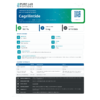
Before relying on an analytical result, match the certificate of analysis (COA) to the exact product and lot. You can begin with the COA and product documentation page.
Where available, review the reported identity, chromatographic purity, measured content, analytical method, and testing date. Additionally, check the sample description to understand exactly what the laboratory tested. This distinction matters because a report only supports the findings associated with its documented sample.
A general purity specification does not replace a batch-specific analytical result. Similarly, a report for another peptide or product presentation does not automatically apply to Cagrilintide 5 mg. Consequently, verify the report details before relying on any result.
Independent Laboratory Testing
Third-party laboratory testing can provide additional analytical information about research material. However, each report covers only the sample and properties identified in that document.
For this reason, review the original report whenever you need batch-level traceability. Also, distinguish compound identity, chromatographic purity, and measured content because each result answers a different analytical question. Together, these records provide a clearer picture of the tested sample.
Storage and Laboratory Handling
Follow the storage and handling instructions supplied with the specific product. In addition, check the applicable expiry information because a general peptide storage guide cannot establish the exact requirements for every material.
It is also important to distinguish the stability of the original material from the stability of a prepared solution. The original product’s storage conditions do not automatically establish prepared-solution stability. Likewise, general solubility information cannot confirm compatibility with every solvent or laboratory buffer.
Before handling the material, review the relevant safety documentation and follow appropriate laboratory procedures. Finally, keep the product label and batch records available for research traceability.
Frequently Asked Questions
What is Cagrilintide 5 mg?
Cagrilintide 5 mg is a single-compound research-material listing with a labeled quantity of 5 mg. More specifically, cagrilintide is a synthetic amylin analogue studied in research involving amylin and calcitonin-family receptors.
What type of peptide is cagrilintide?
Cagrilintide is a long-acting synthetic amylin analogue. In addition, researchers examine its molecular properties and interactions with amylin receptor subtypes and the calcitonin receptor.
Is cagrilintide the same as semaglutide?
No. Cagrilintide belongs to the amylin analogue category, whereas semaglutide belongs to the GLP-1 analogue category. Although researchers have studied both compounds in metabolic research, they have different molecular structures and receptor targets.
What research areas involve cagrilintide?
Researchers investigate cagrilintide in peptide characterization, molecular structure analysis, and amylin and calcitonin receptor research. In particular, structural studies examine how the peptide interacts with different receptor subtypes. However, individual findings remain specific to the experimental systems and conditions used.
What does the 5 mg label mean?
The 5 mg figure identifies the labeled material quantity. However, it does not specify a supplied liquid volume or solution concentration. Therefore, consult the product records for additional presentation details.
Where can I find the Cagrilintide COA?
Visit the COA and product documentation page to review the available records. For batch-specific research, match the report to the exact Cagrilintide product and lot before relying on its results.
How should Cagrilintide 5 mg be stored?
Follow the storage instructions in the applicable product documentation. Additionally, check the expiry information and material-specific handling requirements before relying on a general storage statement.
Is Cagrilintide 5 mg intended for human or veterinary use?
No. This product is intended for laboratory research only. It is not intended for human consumption or veterinary use.
Order Cagrilintide 5 mg from Pure Lab Peptides Supply
Choose Cagrilintide 5 mg from Pure Lab Peptides Supply for laboratory research involving amylin analogue characterization and calcitonin-family receptor studies.
Before selecting this material, review the product specifications and available batch documentation. In addition, verify the compound identity, labeled quantity, and analytical information to ensure that the listing matches your research requirements.
Ultimately, reviewing the relevant product records helps establish the documented characteristics of the selected material.
For laboratory research only. Not for human or veterinary use.