Description
PEG-MGF 2 mg | Pure Lab Peptides Supply
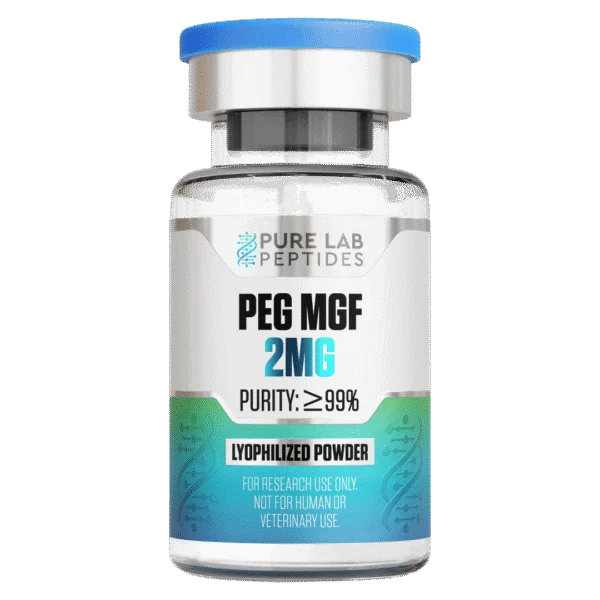
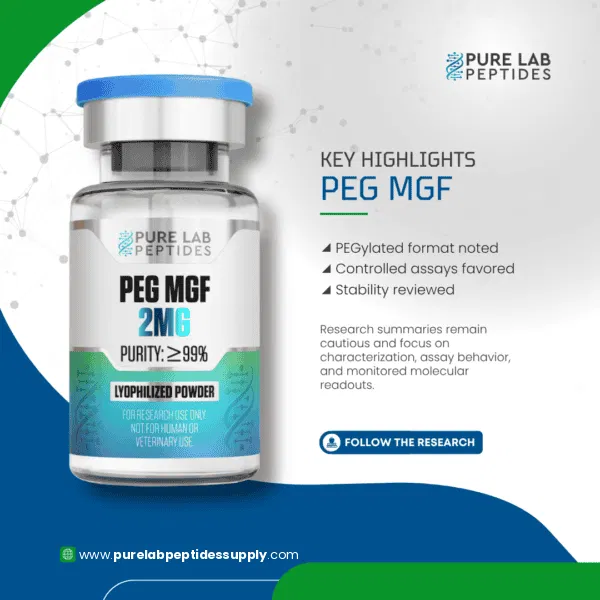
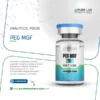
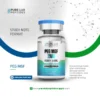
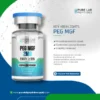
Buy PEG-MGF 2 mg from Pure Lab Peptides Supply. Each vial contains 2 mg of labeled research material in lyophilized powder form. This presentation supports laboratory research and analytical reference purposes.
Product Overview
PEG-MGF, also known as pegylated mechano growth factor, is a modified peptide research material associated with the mechano growth factor (MGF) peptide. Its design combines an MGF-related peptide component with polyethylene glycol (PEG), a polymer used in peptide conjugation research.
Importantly, PEGylation changes the molecular characteristics of the original peptide. The size and properties of the resulting conjugate depend on factors such as PEG chain length, attachment site, and conjugation chemistry. Therefore, the name PEG-MGF alone does not establish every structural detail of a particular preparation.
Pure Lab Peptides Supply offers PEG-MGF in a 2 mg presentation. Moreover, its lyophilized format provides a dry material form for laboratory inventory and appropriate storage. The stated 2 mg represents the labeled material mass, not a concentration or prepared solution volume.
Product Information
| Specification | Details |
|---|---|
| Product name | PEG-MGF |
| Alternative designation | Pegylated Mechano Growth Factor |
| Parent peptide | Mechano Growth Factor (MGF) |
| Compound class | PEG-conjugated peptide research material |
| Labeled quantity | 2 mg |
| Presentation | One vial |
| Physical format | Lyophilized powder |
| Modification | Polyethylene glycol conjugation |
| Product type | Research material |
| Intended application | Laboratory research and analytical reference |
| Documentation | Online COA access |
Molecular Characteristics
PEG-MGF combines an MGF-related peptide component with a polyethylene glycol modification. The MGF peptide is commonly described as a 24-amino-acid segment associated with the C-terminal E-domain of the IGF-1Ec splice variant.
However, researchers should distinguish the unmodified peptide from its PEG-conjugated form. The PEG component can vary in molecular weight, chain structure, and attachment chemistry. Consequently, the complete conjugate does not have one universal molecular formula or molecular weight.
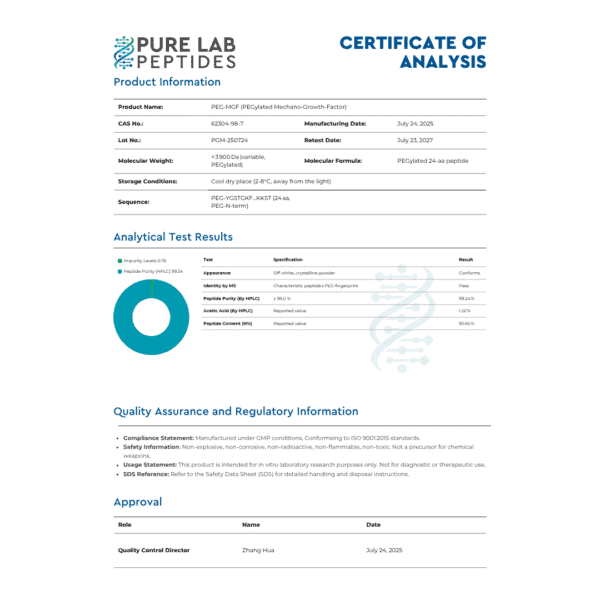
The following specifications require confirmation against the applicable product documentation:
- CAS number: No universally verified identifier established for the PEG-MGF conjugate.
- Molecular formula: Depends on the peptide structure and PEG modification.
- Molecular weight: Depends on the PEG chain and conjugation design.
- Core peptide length: Commonly described as 24 amino acid residues.
- Core peptide sequence: Confirm the exact sequence and terminal modifications through product documentation.
- Conjugation method: Confirm through the applicable product specification.
- Physical form: Lyophilized powder.
These distinctions matter because two materials sold under the PEG-MGF name may not share identical conjugation characteristics. Therefore, researchers should use batch-specific analytical documentation when assessing molecular identity and material specifications.
Understanding PEG-MGF Research Classification
Mechano growth factor is associated with an alternatively spliced form of insulin-like growth factor 1 (IGF-1). Researchers distinguish the MGF-related peptide component from mature IGF-1 and other IGF-1-derived materials.
PEGylation refers to the attachment of polyethylene glycol to a molecule. In peptide research, this modification provides a way to investigate how polymer attachment changes molecular size, structure, and other physicochemical properties.
Furthermore, the final characteristics depend on the specific PEG design and attachment location. For this reason, PEG-MGF should be identified as a modified peptide conjugate rather than treated as interchangeable with unmodified MGF or IGF-1.
Why Choose the PEG-MGF 2 mg Presentation?
The 2 mg presentation provides a clearly labeled quantity for laboratory inventory and material identification. In addition, the single-vial format helps researchers organize PEG-MGF alongside other peptide research materials.
The lyophilized format offers a dry material presentation for appropriate laboratory storage. Nevertheless, the labeled quantity alone does not establish purity, molecular identity, or analytical performance. Researchers should review the applicable batch documentation to assess those characteristics.
Quality Documentation and COA
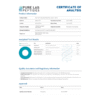
Product documentation helps researchers verify material identity and review available analytical information. For this reason, Pure Lab Peptides Supply provides access to its COA documentation page.
Visit the Pure Lab Peptides Supply COA page to review available documentation.
When reviewing a COA, check the product identifier and batch information carefully. Furthermore, examine the reported analytical methods and results. For PEG-conjugated materials, relevant characterization should account for both the peptide component and the polymer modification.
Discreet Delivery with Pure Lab Peptides Supply
Pure Lab Peptides Supply prioritizes professional order handling and discreet presentation. To support customer privacy, eligible shipments use odor-proof, tamper-resistant, non-branded packaging.
Additionally, eligible orders include tracking information so customers can follow shipment progress. The exterior packaging avoids unnecessary product details. As a result, customers receive a professional and privacy-focused delivery experience.
Storage and Handling
PEG-MGF arrives as lyophilized powder. Therefore, follow the storage conditions stated in the applicable product documentation and COA.
Keep the vial properly sealed and protect the material from unsuitable environmental conditions. Also, follow established laboratory handling procedures and applicable institutional requirements. For product-specific storage guidance, consult the accompanying documentation rather than assume universal conditions.
Frequently Asked Questions
What is PEG-MGF?
PEG-MGF is a PEG-conjugated peptide research material associated with mechano growth factor. Its structure combines an MGF-related peptide component with polyethylene glycol.
What does PEG-MGF stand for?
PEG-MGF stands for pegylated mechano growth factor. The term describes a modified peptide material involving polyethylene glycol conjugation.
How much material does each vial contain?
Each vial carries a labeled quantity of 2 mg of research material. This figure represents material mass rather than solution concentration.
What is the physical format?
Pure Lab Peptides Supply offers PEG-MGF 2 mg as lyophilized powder in one vial.
Does PEG-MGF have a fixed molecular weight?
Not necessarily. The molecular weight depends on the PEG chain and conjugation design. Therefore, researchers should consult the applicable product specification and analytical documentation instead of relying on a universal value.
Is PEG-MGF the same as unmodified MGF?
No. PEG-MGF includes a polyethylene glycol modification, whereas unmodified MGF does not. Consequently, the two materials have different molecular specifications.
Where can I find COA documentation?
Visit the Pure Lab Peptides Supply COA page to access available documentation. Always check the relevant product and batch details when reviewing analytical information.
Order PEG-MGF 2 mg
Explore the PEG-MGF 2 mg listing at Pure Lab Peptides Supply. Each presentation contains one vial of lyophilized research material with a labeled quantity of 2 mg.
For additional product information, review the available documentation and COA resources. This way, you can check the product details alongside the relevant analytical records.