Description
Kisspeptin 10 mg | Pure Lab Peptides Supply
Kisspeptin-10 10 mg: Synthetic Research Peptide
Buy Kisspeptin 10 mg from Pure Lab Peptides Supply for laboratory research involving neuropeptide characterization, reproductive hormone signaling, and G-protein-coupled receptor studies. Also known as Kisspeptin-10 or metastin 10, this synthetic peptide represents the biologically active C-terminal region of the larger kisspeptin family.
Kisspeptins originate from the KISS1 gene, which encodes a precursor protein that researchers have investigated in reproductive neuroendocrinology. In particular, Kisspeptin-10 has attracted scientific interest because of its interaction with the kisspeptin receptor, also known as GPR54 or KISS1R.
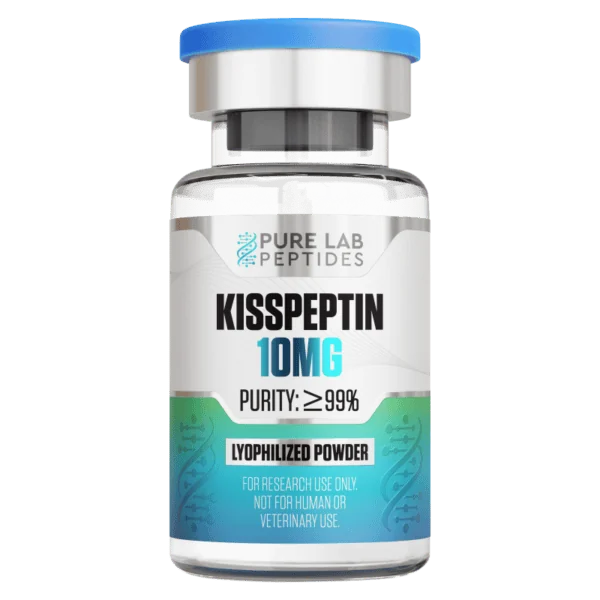
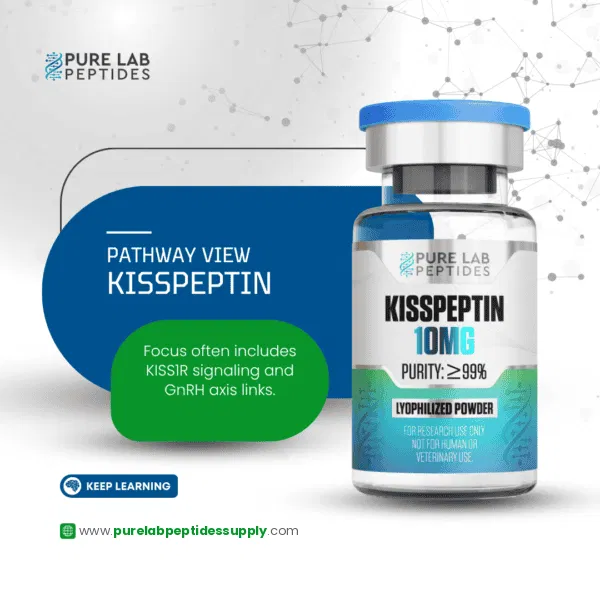
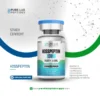
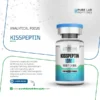
This product contains a labeled quantity of 10 mg in one vial and comes in lyophilized powder form. Furthermore, the 10 mg designation represents the stated dry material mass, not the vial’s liquid capacity or a prepared-solution concentration.
Product Overview
Kisspeptin 10 mg is a single-compound research-material listing. More specifically, it belongs to the decapeptide category because its reference structure contains ten amino acid residues.
Product Information:
- Product Name: Kisspeptin-10
- Alternative Names: Kisspeptin 10, Metastin 10
- Labeled Quantity: 10 mg
- Presentation: One vial
- Physical Format: Lyophilized powder
- Compound Class: Synthetic decapeptide
- Reference Sequence: Tyr-Asn-Trp-Asn-Ser-Phe-Gly-Leu-Arg-Phe-NH2
- Sequence Abbreviation: YNWNSFGLRF-NH2
- Sequence Length: 10 amino acid residues
- CAS Number: 374675-21-5
- C-Terminal Modification: Amide
- Reference Molecular Formula: C63H83N17O14
- Reference Molecular Weight: Approximately 1,302.5 g/mol
- Product Type: Single-compound research material
- Research Focus: Kisspeptin receptor signaling and neuroendocrine research
- Intended Application: Laboratory research and analytical characterization
- Documentation: View COA and product documentation
The molecular formula and molecular weight describe the reference peptide structure. However, the supplied chemical form may affect its applicable specifications. Therefore, verify any salt, counterion, or additional formulation details against the relevant technical documentation.
Kisspeptin Research and Molecular Characteristics
Neuropeptide and Reproductive Signaling Research
Kisspeptins are a family of neuropeptides encoded by the KISS1 gene. Researchers have extensively investigated this peptide family because of its relationship with neuroendocrine signaling and the regulation of reproductive hormone pathways.
In particular, Kisspeptin-10 represents the C-terminal decapeptide region associated with receptor activation. Consequently, it provides a useful molecular reference for laboratory investigations involving kisspeptin-related signaling.
Furthermore, research into the kisspeptin system has contributed to a broader understanding of communication between the nervous system and reproductive endocrine pathways.
Kisspeptin Receptor (KISS1R) Research
Kisspeptin-10 interacts with the kisspeptin receptor, commonly identified as KISS1R or GPR54. This receptor belongs to the G-protein-coupled receptor (GPCR) family.
Researchers have examined this receptor interaction to understand molecular recognition, intracellular signaling, and neuroendocrine communication. Additionally, the kisspeptin signaling system has become an important subject in studies involving the hypothalamic regulation of reproductive processes.
However, receptor interactions and downstream experimental outcomes represent different research questions. Therefore, findings should be interpreted according to the specific experimental model and analytical methods used.
Molecular Structure and Peptide Characterization
Kisspeptin-10 contains ten amino acid residues in its reference sequence:
Tyr-Asn-Trp-Asn-Ser-Phe-Gly-Leu-Arg-Phe-NH2
This sequence distinguishes Kisspeptin-10 from longer kisspeptin fragments and related neuropeptides. Moreover, its C-terminal amidation represents an important structural characteristic of the reference molecule.
For accurate analytical characterization, researchers should compare the reference sequence with the supplied product documentation. Additionally, peptide identity, chromatographic purity, and measured content should receive separate consideration because each represents a different analytical property.
Experimental Research and Scientific Context
Scientific investigations involving Kisspeptin-10 have examined receptor recognition, peptide structure, and neuroendocrine signaling pathways. Researchers have also studied different kisspeptin fragments to understand how peptide length and molecular structure influence receptor interactions.
Nevertheless, experimental findings can vary according to the peptide fragment, research model, and analytical technique. Consequently, results associated with one kisspeptin form should not automatically be attributed to every member of the peptide family.
Kisspeptin 10 mg Product Specifications
- Product Name: Kisspeptin-10
- Alternative Name: Metastin-10
- Labeled Amount: 10 mg
- Presentation: One vial
- Physical Format: Lyophilized powder
- CAS Number: 374675-21-5
- Reference Molecular Formula: C63H83N17O14
- Reference Molecular Weight: Approximately 1,302.5 g/mol
- Peptide Sequence: Tyr-Asn-Trp-Asn-Ser-Phe-Gly-Leu-Arg-Phe-NH2
- Sequence Abbreviation: YNWNSFGLRF-NH2
- Sequence Length: 10 amino acid residues
- Compound Class: Synthetic decapeptide
- C-Terminal Modification: Amide
- Purity: Refer to the current batch-specific COA
- Appearance: Lyophilized powder
- Vial Capacity: Refer to product-specific packaging details
- Chemical Form: Verify against the supplied technical documentation
- Storage Conditions: Follow the applicable product instructions
- Shipping Conditions: Refer to current shipping information
- Safety Information: Review the applicable material safety documentation
These specifications describe the reference peptide and its labeled material quantity. However, reference chemistry alone cannot establish the identity, purity, or measured content of an individual commercial batch. Therefore, consult the applicable COA and technical records when verifying lot-specific characteristics.
COA and Product Documentation
Review Kisspeptin-10 Batch Documentation
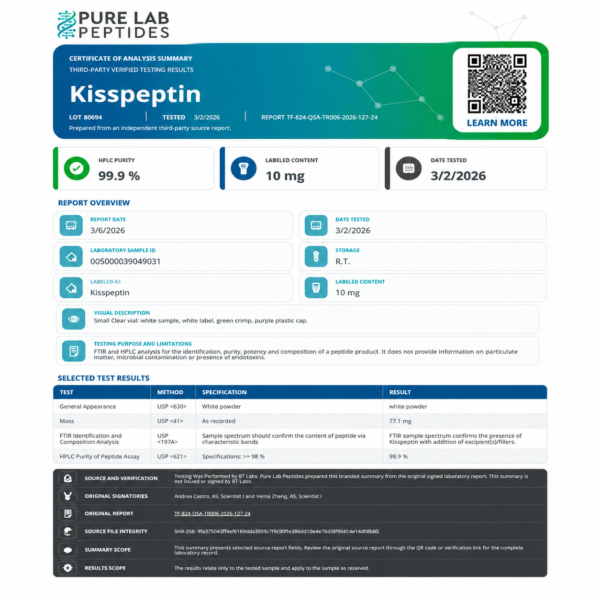
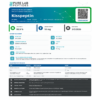
Before relying on analytical results, match the certificate of analysis (COA) to the exact product and batch. You can begin by visiting the Pure Lab Peptides Supply COA documentation page.
Where available, review the reported compound identity, chromatographic purity, measured content, analytical method, and testing date. Additionally, examine the sample description to establish which material the laboratory actually tested.
Importantly, general product specifications do not replace batch-specific analytical reports. Likewise, documentation for another peptide or product presentation does not automatically apply to Kisspeptin 10 mg. Consequently, verify the report details before incorporating analytical findings into research records.
Independent Laboratory Testing
Third-party laboratory testing can provide additional information about a research material’s analytical characteristics. However, each report applies only to the sample and properties identified in that document.
For this reason, review the original analytical report whenever batch-level traceability matters. Also, distinguish compound identity, chromatographic purity, and measured content because each measurement addresses a different analytical question.
Together, these records help researchers understand the documented characteristics of the tested material.
Storage and Laboratory Handling
Appropriate storage and handling depend on the specific product and its supplied documentation. Therefore, follow the applicable storage instructions and review the stated expiry information before laboratory research.
It is also important to distinguish the stability of the original lyophilized material from that of a prepared solution. For example, the original product’s storage conditions do not automatically establish prepared-solution stability. Similarly, general solubility information cannot confirm compatibility with every solvent or laboratory buffer.
Before handling Kisspeptin-10, consult the relevant safety documentation and follow appropriate laboratory procedures. Finally, retain the original product label and batch records to support research traceability.
Frequently Asked Questions
What is Kisspeptin 10 mg?
Kisspeptin 10 mg is a single-compound research-material presentation containing a labeled quantity of 10 mg. It is a synthetic decapeptide associated with neuroendocrine and kisspeptin receptor research.
What is the physical format of Kisspeptin 10 mg?
Kisspeptin 10 mg is supplied as lyophilized powder in one vial. The labeled quantity represents the stated dry material mass rather than a liquid concentration.
What is Kisspeptin-10 also known as?
Kisspeptin-10 is also known as metastin-10. It represents a ten-amino-acid peptide fragment associated with the larger kisspeptin family.
What is the amino acid sequence of Kisspeptin-10?
The reference sequence is Tyr-Asn-Trp-Asn-Ser-Phe-Gly-Leu-Arg-Phe-NH2, abbreviated as YNWNSFGLRF-NH2. It contains ten amino acid residues and features a C-terminal amide modification.
What is the CAS number for Kisspeptin-10?
The commonly referenced CAS number for Kisspeptin-10 is 374675-21-5. Nevertheless, verify compound identity and chemical form through the applicable product documentation.
What is KISS1R?
KISS1R, also known as GPR54, is the G-protein-coupled receptor associated with kisspeptin signaling. Researchers investigate this receptor to understand molecular recognition and neuroendocrine communication.
What research areas involve Kisspeptin-10?
Researchers have investigated Kisspeptin-10 in neuropeptide characterization, kisspeptin receptor signaling, reproductive neuroendocrinology, and GPCR-related molecular studies.
Where can I find the Kisspeptin 10 mg certificate of analysis?
Visit the Pure Lab Peptides Supply COA and product documentation page to review available records. For batch-specific research, match the report to the exact product and lot.
How should Kisspeptin 10 mg be stored?
Follow the storage instructions provided with the specific product. Additionally, review the applicable expiry information and material-specific handling requirements rather than relying exclusively on general peptide storage recommendations.
Is Kisspeptin 10 mg intended for human or veterinary use?
No. Kisspeptin 10 mg is designated for laboratory research only. It is not intended for human consumption or veterinary use.
Order Kisspeptin 10 mg from Pure Lab Peptides Supply
Explore Kisspeptin 10 mg at Pure Lab Peptides Supply for laboratory research involving synthetic decapeptide characterization and kisspeptin receptor studies.
This presentation provides 10 mg of labeled lyophilized research material in one vial. Before selecting it, review the available product specifications and batch documentation. Furthermore, verify the compound identity, labeled quantity, and applicable analytical information to ensure that the listing meets your research requirements.
Ultimately, reviewing the relevant technical records provides a clearer understanding of the documented characteristics of the selected material.
For laboratory research only. Not for human or veterinary use.